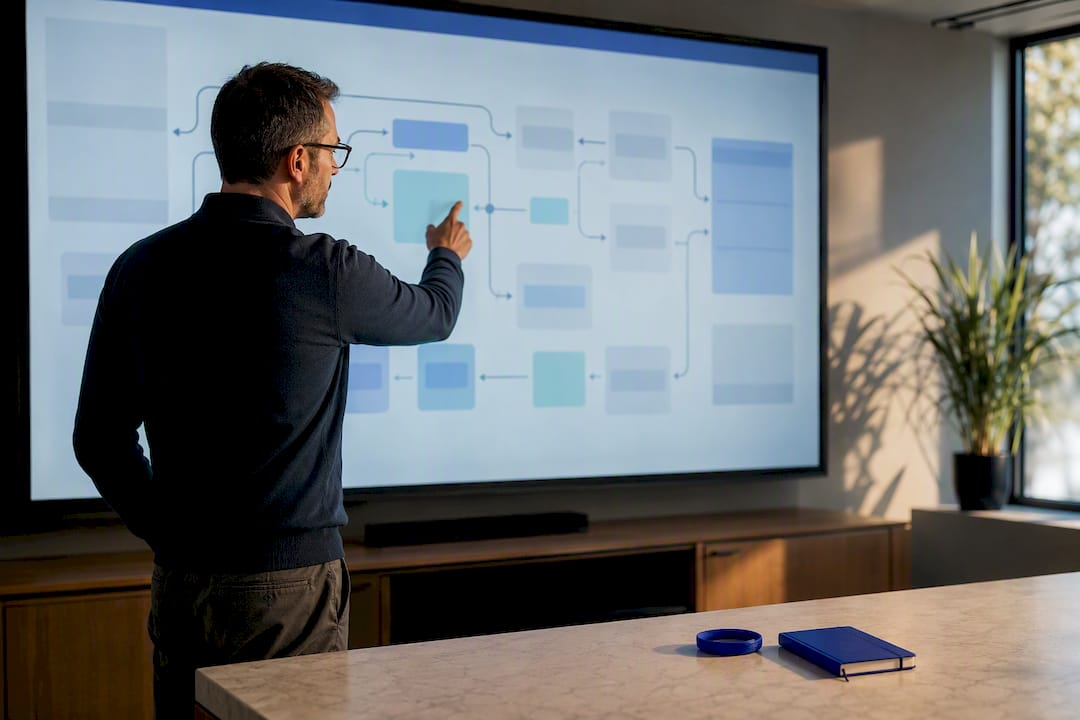
Enterprise System Integration (ESI) is the strategic process of connecting disparate IT systems and software applications across an organization to streamline data flow, enhance communication, and improve overall business efficiency. Through effective ESI, businesses can eliminate operational silos, reduce errors, and achieve significant cost savings.
Learn more about System Integration Across Platforms
Understanding Enterprise System Integration
Enterprise System Integration involves combining multiple enterprise systems such as ERP (Enterprise Resource Planning), CRM (Customer Relationship Management), SCM (Supply Chain Management), and HR systems into a unified platform. This integration facilitates real-time data sharing and process automation.
Benefits of Enterprise System Integration
- Enhanced Efficiency: Automating processes reduces manual workloads and accelerates task completion.
- Improved Data Accuracy: Centralized data minimizes duplication and enhances accuracy.
- Real-time Decision Making: Immediate access to integrated data enables faster and more informed decisions.
- Cost Reduction: Reduced maintenance costs and streamlined operations lead to financial savings.
Types of Enterprise System Integration
Enterprise integration typically involves various methods, each tailored to specific organizational needs:
1. Point-to-Point Integration
A simple, direct connection between two systems, suitable for limited integrations.
2. Hub-and-Spoke Integration
Multiple systems connect through a central hub, facilitating easier management and scalability.
3. Enterprise Service Bus (ESB)
An advanced middleware solution that enables complex integrations among diverse systems.
4. API Integration
Leveraging Application Programming Interfaces (APIs) to seamlessly connect and share data between applications.
Enterprise Application Integration (EAI) Explained
Enterprise Application Integration (EAI) specifically targets the integration of software applications within an enterprise. EAI ensures seamless data flow and coordinated processes, creating a unified IT environment.
Example of EAI
A common example of EAI is integrating a CRM platform (such as Salesforce) with an ERP system (like SAP). This integration synchronizes customer data, sales orders, and inventory management, thereby optimizing overall business operations.
Examples of Integrated Enterprise Systems
Integrated enterprise systems often include:
- ERP integrated with CRM systems
- HR management systems integrated with payroll applications
- Supply chain systems connected with inventory management
Why Choose Singleclic for Enterprise System Integration?
Singleclic, established in 2013, is a leader in providing advanced IT solutions in the Arab region, specializing in comprehensive enterprise system integrations.
Our Expertise
- Software Development: Custom software tailored to client needs, including ERP, CRM, and low-code solutions.
- Network Solutions: Expert design, implementation, and maintenance of reliable network infrastructure.
- Cybersecurity: Proactive protection against cybersecurity threats.
- Hosting Services: Reliable web application and server hosting, including Cloud Native applications.
- Technical Support: 24/7 professional and responsive support services.
Contact Singleclic Today
Enhance your business operations through expert enterprise system integration.
- Phone: +2 010 259 99225 | +971 42 475421 | +966 58 1106563
- Website: https://singleclic.com/
People Also Ask
What is an enterprise integration system?
An enterprise integration system connects separate enterprise applications, databases, and processes, ensuring smooth communication and coordination across an organization.
What is an integrated enterprise system?
An integrated enterprise system combines various organizational systems into a cohesive, unified system, allowing seamless interaction and real-time data exchange.
What is EAI with example?
EAI (Enterprise Application Integration) refers to linking multiple applications within an enterprise. For instance, connecting Salesforce CRM to SAP ERP to synchronize customer data.
What is an example of an integrated enterprise?
An integrated enterprise example includes a business integrating its ERP, CRM, and SCM systems into a single platform, providing real-time insights and enhanced operational efficiency.