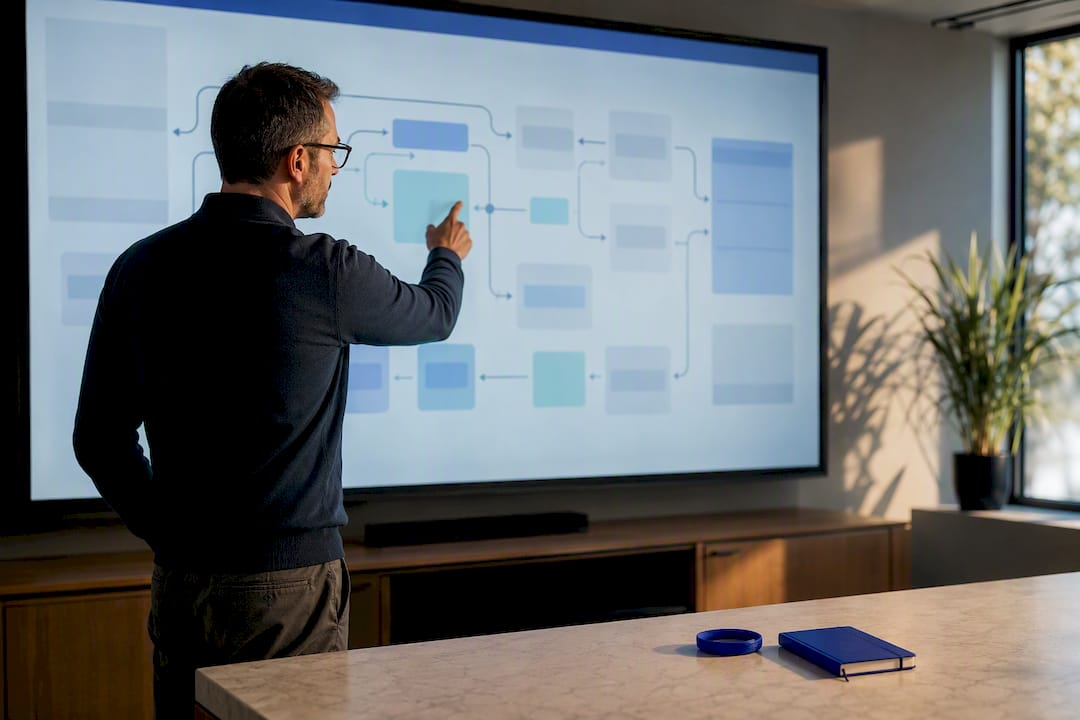
System integration across platforms is crucial for businesses aiming for operational efficiency, seamless data flow, and enhanced productivity. By integrating disparate IT systems and platforms, organizations can unlock significant value and gain competitive advantages. Singleclic, a leading IT solutions provider, offers comprehensive services to facilitate efficient cross-platform integration.
What is System Integration Across Platforms?
System integration across platforms involves connecting multiple distinct software and hardware systems to function as one cohesive unit. It ensures consistent data exchange and seamless communication across diverse business applications, ultimately enabling more informed decisions and streamlined workflows.
Explore our Managed Services & IT Outsourcing solutions to enhance your business efficiency further.
Why System Integration is Essential for Modern Businesses
Enhanced Productivity
Integrating various systems reduces manual processes, minimizing errors and accelerating task completion.
Real-Time Data Access
Cross-platform integration allows real-time access to accurate data, enabling faster and more informed decision-making.
Cost Reduction
Optimizing and connecting existing systems reduces redundancy, lowering operational costs and resource consumption.
Improved Customer Experience
A unified system enhances customer interactions by providing quick responses, accurate information, and personalized service.
Types of System Integration
Understanding the four primary types of system integration is crucial:
1. Vertical Integration
Connecting systems based on their functional roles, creating seamless communication within a specific operational process.
2. Horizontal Integration
Integrating systems across various departments to ensure streamlined workflows throughout the organization.
3. Star Integration
Each subsystem connects independently to a central hub, allowing independent and flexible data exchanges.
4. Common Data Integration
Implementing a standardized data format to enable consistent data sharing across multiple systems.
Examples of System Integration Across Platforms
Effective system integration can be seen in various scenarios, including:
- CRM and ERP Integration: Synchronizing customer relationship management (CRM) systems with enterprise resource planning (ERP) systems for unified customer data.
- Cloud-Native Application Integration: Connecting cloud-based applications to traditional on-premises systems for greater scalability and flexibility.
- E-commerce and Inventory Management: Ensuring real-time stock updates and order processing through seamless platform integration.
- Cybersecurity Integration: Implementing unified threat management systems that centralize and automate security responses across platforms.
How Singleclic Enables Seamless System Integration
Singleclic has been delivering tailored IT solutions since 2013, assisting businesses across various sectors in the Arab region. Our expertise includes:
Custom Software Development
- Tailored software solutions addressing specific business requirements.
- Digital transformation support with advanced tools such as Low-code, ERP, and CRM.
Network Solutions
- Comprehensive design, implementation, and maintenance of robust network infrastructures.
- Infrastructure management services ensuring continuous connectivity and performance.
Cybersecurity
- Advanced security solutions safeguarding systems against cyber threats and vulnerabilities.
Hosting Services
- Reliable web hosting and server management.
- Scalable hosting solutions for cloud-native applications.
24/7 Technical Support
- Continuous, round-the-clock technical assistance.
FAQs: System Integration Across Platforms
What is a system integration platform?
A system integration platform is a solution that enables diverse IT systems and software to communicate and exchange data efficiently, simplifying integration processes.
What is cross-platform integration?
Cross-platform integration refers to connecting applications or systems that operate on different software or hardware environments, ensuring seamless data transfer and compatibility.
What are the four types of system integration?
The four main types are vertical integration, horizontal integration, star integration, and common data integration.
What are some examples of system integration?
Examples include CRM and ERP integration, cloud-native and legacy system integration, e-commerce and inventory management integration, and cybersecurity platform integration.
Connect with Singleclic
For expert advice and efficient solutions on system integration across platforms, contact Singleclic today:
- 📞 Egypt: +2 010 259 99225
- 📞 UAE: +971 42 475421
- 📞 Saudi Arabia: +966 58 1106563
Visit our website: Singleclic