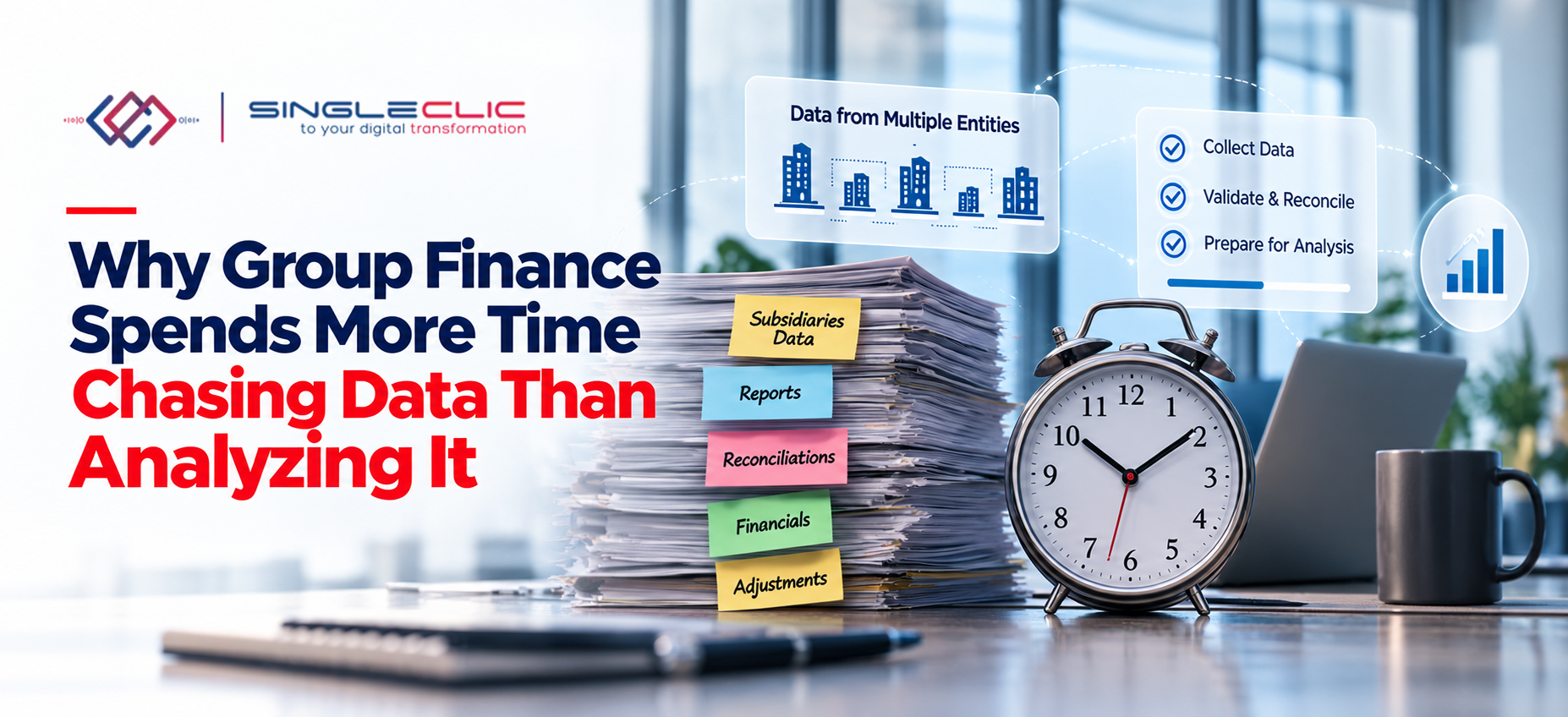
Cross departmental decision making stalls when teams rely on disconnected data and outdated reports. You lose hours chasing conflicting numbers instead of making swift, confident moves. Integrated systems create a single source of truth that cuts through the noise—bringing ERP integration, CRM integration, process automation, and real-time insights into one clear view. This post shows how aligning your departments with unified platforms changes decision-making from guesswork to precision. For more information on system integration, check out this resource.
Unified Systems for Decision Making
Integrated systems streamline decision-making by providing a unified source of truth. This section explores how ERP, CRM, and analytic tools work together to drive better business outcomes.
ERP Integration: A Single Source
ERP systems deliver a comprehensive overview of your operations. They connect diverse business processes into one cohesive system. This connectivity reduces manual entry and error, resulting in improved accuracy. Real-time visibility empowers you to make informed decisions quickly. Imagine reducing bottlenecks in your supply chain by having instant access to inventory levels and vendor performance. This is the power of an integrated ERP system.
CRM Integration for Cross Departmental Insights
CRM systems enhance customer relationship management. They provide a detailed understanding of customer interactions across all departments. This integration fosters collaboration, ensuring that everyone from sales to service is on the same page. With unified data, your team can anticipate customer needs and personalize interactions. This leads to increased customer satisfaction and loyalty, ultimately driving growth.
Power BI Dashboards: Real-Time Analytics
Power BI dashboards deliver insights in real time, transforming data into actionable intelligence. By visualizing key metrics, you can identify trends and opportunities swiftly. Consider a sales team using dashboards to track quarterly targets and adjust strategies on the fly. Power BI offers a clear view of performance, enabling data-driven decisions that align with your business goals. For more on how integrated systems can reduce costs, visit this article.
Automation and Analytics in Action

Automation and analytics elevate operational efficiency. The following sections highlight how these technologies optimize processes across various domains.
Robotic Process Automation RPA in Operations
RPA automates repetitive tasks, freeing up valuable time for your team to focus on strategic activities. By handling mundane processes, such as data entry and report generation, RPA enhances productivity and reduces errors. Imagine a finance department that can process invoices in minutes rather than hours. This capability not only saves time but also improves accuracy.
Agentic AI On-Premise Solutions
Agentic AI solutions offer on-premise deployments, providing security and control for sensitive data. These AI systems learn and adapt to your business needs, providing personalized recommendations and insights. With Agentic AI, you can optimize operations and enhance decision-making without compromising data integrity.
Low Code Development with Microsoft Power Apps
Low-code platforms like Microsoft Power Apps enable rapid application development. They empower users with minimal coding experience to create functional applications. This democratizes innovation and reduces dependency on IT resources. Visual app building with drag-and-drop functionality accelerates deployment, allowing your team to respond swiftly to changing business needs.
Industry-Specific Solutions and Success

Industry-specific solutions address unique sector challenges. This section explores how tailored systems deliver measurable improvements.
Healthcare Analytics and ROI
In healthcare, analytics drive improved patient outcomes and operational ROI. By analyzing patient data, healthcare providers can optimize treatment plans and resource allocation. This leads to better healthcare delivery and increased organizational efficiency. For an in-depth exploration of information systems enhancing decision-making processes, read this study.
Construction ERP Software and Governance
Construction ERP software enhances project management and governance. By integrating financial, operational, and project data, construction firms can monitor progress and manage resources effectively. This integration reduces risk and ensures compliance with regulatory standards, driving successful project outcomes.
Real Estate CRM and Blockchain Transparency
In real estate, CRM systems streamline client interactions and transactions. By leveraging blockchain technology, these systems ensure transparent and secure data management. This transparency builds trust with clients and enhances the overall buying and selling experience. For further insights into boosting business efficiency through system integration, explore this resource.
Frequently Asked Questions
1. What is ERP integration and why is it important?
ERP integration unifies various business processes into a single platform, improving accuracy and decision-making by providing real-time data visibility.
2. How does CRM integration benefit businesses?
CRM integration enhances customer management by offering cross-departmental insights, allowing businesses to personalize interactions and improve customer satisfaction.
3. What are Power BI dashboards used for?
Power BI dashboards visualize data in real-time, enabling businesses to identify trends and make informed decisions quickly and effectively.
4. How does RPA improve operational efficiency?
RPA automates repetitive tasks, saving time and reducing errors, which allows employees to focus on more strategic work.
5. What is the advantage of low-code development with Microsoft Power Apps?
Low-code development enables rapid application creation with minimal coding, accelerating innovation and reducing reliance on IT resources.