Operational inefficiencies and fragmented digital systems often slow decision making for executives in Saudi Arabia and United Arab Emirates. Tackling these challenges begins with a robust strategy that clarifies current digital strengths and pinpoints growth opportunities. By focusing on a comprehensive digital infrastructure evaluation and aligning organizational objectives, this approach empowers leaders in construction and healthcare to prioritize high-impact initiatives and drive meaningful transformation.
Table of Contents
- Step 1: Assess Current Digital Capabilities
- Step 2: Define Measurable Digitalization Goals
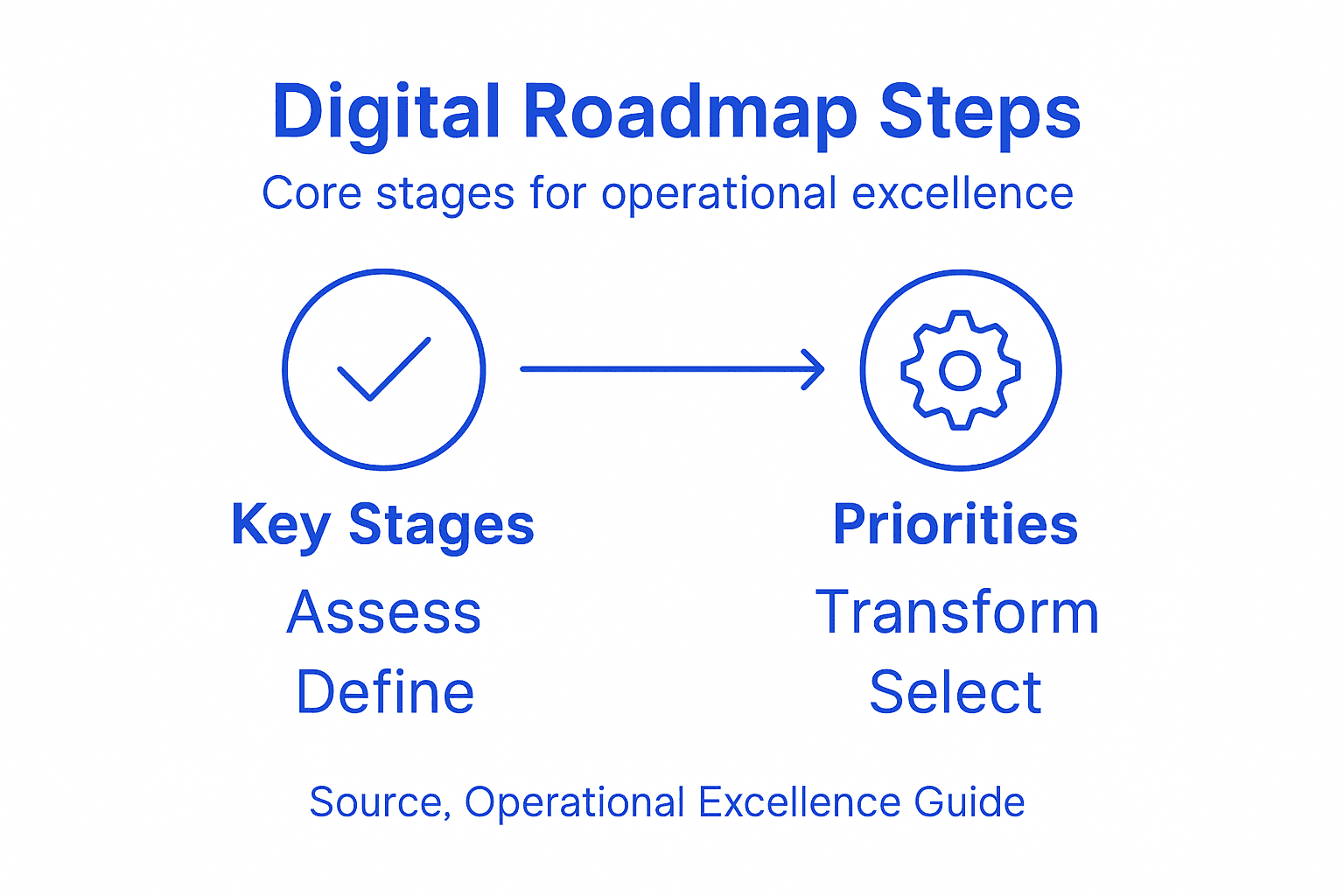
- Step 3: Prioritize Key Processes For Transformation
- Step 4: Select Optimal Digital Solutions
- Step 5: Implement And Monitor Progress
- Step 6: Review Outcomes And Optimize Further
Quick Summary
| Essential Insight | Clarification |
|---|---|
| 1. Evaluate Digital Capabilities | Assess technological infrastructure and workforce skills to identify strengths and improvement areas. |
| 2. Define SMART Goals | Use the SMART framework to establish actionable digital transformation goals aligned with business objectives. |
| 3. Prioritize Key Processes | Rank business processes based on impact and complexity to focus on high-potential transformation areas. |
| 4. Select Appropriate Technologies | Develop a comprehensive evaluation framework for selecting digital solutions that align with organizational needs. |
| 5. Implement and Monitor Progress | Use a structured implementation approach and continuous feedback loops to ensure successful execution of digital initiatives. |
Step 1: Assess current digital capabilities
To kickstart your digital transformation journey, you need to conduct a comprehensive evaluation of your organization’s existing technological landscape and capabilities. This critical first step involves a systematic assessment that will reveal both strengths and potential improvement areas across your technological infrastructure, workforce skills, and digital ecosystem.
Beginning with a thorough technological infrastructure review requires analyzing your current software tools, hardware systems, and network capabilities. Comprehensive digital infrastructure evaluation provides insights into your technological readiness. Key areas to examine include:
- Current enterprise software platforms
- Network connectivity and bandwidth
- Hardware age and performance capabilities
- Cloud infrastructure and integration
- Cybersecurity systems and protocols
- Data management and storage solutions
Simultaneously, assess your workforce’s digital competencies through structured surveys and skills assessments. This involves evaluating employees’ technological proficiency, understanding of digital tools, and adaptability to technological changes. Pay special attention to:
- Digital literacy levels across different departments
- Technical skills gaps
- Employee comfort with emerging technologies
- Training and upskilling requirements
A strategic digital capabilities assessment reveals not just technological limitations, but opportunities for transformative growth.
Lastly, evaluate your customer-facing digital presence and experience. Analyze your current digital channels, user interfaces, and customer interaction platforms to understand how effectively you’re leveraging digital technologies to engage and serve your customers.

Pro tip: Engage a cross-functional team from IT, operations, and strategic planning to ensure a holistic and unbiased assessment of your digital capabilities.
Here’s a summary of factors affecting a successful digital capability assessment:
| Focus Area | Typical Challenges | Potential Opportunities |
|---|---|---|
| Tech Infrastructure | Outdated hardware and software | Modernization and cloud adoption |
| Workforce Skills | Skill gaps, low digital literacy | Upskilling and training programs |
| Customer Experience | Fragmented digital channels | Enhanced engagement platforms |
Step 2: Define measurable digitalization goals
Transitioning from assessing your current digital capabilities, the next crucial step is defining clear and actionable digitalization goals that will drive your organization’s transformation strategy. Establishing strategic digital objectives requires a systematic approach that aligns technological initiatives with your broader business outcomes.
To create effective digitalization goals, leverage the SMART framework which ensures your objectives are specific, measurable, achievable, relevant, and time-bound. Key considerations include:
- Aligning digital goals with overall business strategy
- Identifying specific performance improvements
- Setting realistic and quantifiable targets
- Determining clear timelines for implementation
- Establishing metrics for tracking progress
Break down your digital transformation strategy into clear, actionable phases with precise goals. These objectives should address critical aspects such as:
- Operational efficiency improvements
- Customer experience enhancement
- Revenue generation through digital channels
- Technology infrastructure modernization
- Workforce digital skill development
Measurable goals transform digital transformation from an abstract concept into a concrete, executable strategy.
Each goal should have associated key performance indicators (KPIs) that enable tracking and validation. These KPIs will help you monitor progress, make data-driven adjustments, and demonstrate the tangible value of your digital initiatives.
Pro tip: Engage cross-functional leadership to ensure digital goals represent diverse organizational perspectives and create shared commitment to the transformation journey.
Step 3: Prioritize key processes for transformation
After defining your digital transformation goals, the next critical phase involves strategically identifying critical business processes that will drive meaningful organizational change. This step requires a systematic approach to selecting processes with the highest potential for digital optimization and strategic impact.
To effectively prioritize transformation initiatives, develop a comprehensive evaluation framework that assesses potential processes across multiple dimensions. Key criteria for prioritization include:
- Complexity of current process
- Potential for efficiency improvement
- Direct impact on customer experience
- Alignment with strategic business objectives
- Cost of digital implementation
- Potential return on investment
Utilize a structured approach to ranking and selecting processes by creating a prioritization matrix that scores each potential transformation candidate. This matrix should incorporate quantitative and qualitative assessments, enabling you to:
- Rank processes based on strategic value
- Identify high-impact, low-complexity opportunities
- Balance short-term wins with long-term transformation goals
- Assess resource requirements and constraints
- Create a phased implementation roadmap
Strategic process prioritization transforms digital initiatives from scattered efforts into a cohesive, value-driven transformation strategy.
Pay special attention to processes that directly impact core business outcomes, such as customer engagement, operational efficiency, and revenue generation. Look for opportunities where digital technologies can create significant performance improvements or unlock new competitive advantages.
Pro tip: Involve cross-functional teams in the prioritization process to ensure a holistic perspective and build organizational buy-in for digital transformation initiatives.
Step 4: Select optimal digital solutions
Building upon your prioritized processes, the next crucial step is strategically evaluating digital technologies that align precisely with your organizational objectives. This selection process demands a comprehensive approach that goes beyond surface-level features to ensure meaningful technological integration.
Develop a robust technology evaluation framework that considers multiple critical dimensions when assessing potential digital solutions:
- Compatibility with existing systems
- Scalability and future growth potential
- Total cost of ownership
- Data security and compliance requirements
- Vendor reputation and support capabilities
- Ease of implementation and user adoption
- Integration flexibility
Create a structured selection methodology that allows for systematic comparison of potential digital solutions through:
- Comprehensive requirements mapping
- Detailed vendor assessment
- Technical compatibility testing
- Pilot program implementation
- Performance benchmarking
Selecting the right digital solutions is less about technology and more about transforming organizational capabilities.
Specifically focus on solutions that offer modular architecture and open integration capabilities, enabling your organization to adapt and evolve digital infrastructure without complete system replacements. Look for technologies that provide:
- Flexible API connections
- Cloud-based deployment options
- Customization potential
- Robust reporting and analytics features
- User-friendly interfaces
Pro tip: Conduct thorough reference checks and request detailed demonstrations from potential technology vendors to validate claimed capabilities and ensure alignment with your specific organizational needs.
This table compares digital solution selection criteria for strategic impact:
| Criterion | Why It Matters | How It Supports Transformation |
|---|---|---|
| Scalability | Prepares for future growth | Enables flexible expansion |
| Integration Flexibility | Connects with existing systems | Reduces overhaul costs |
| User Adoption Ease | Minimizes resistance | Accelerates technology uptake |
| Vendor Support | Ensures ongoing reliability | Maintains operational continuity |
Step 5: Implement and monitor progress
After carefully selecting your digital solutions, the implementation phase requires a strategic approach to executing digital transformation initiatives. This critical stage transforms your meticulously developed plans into tangible organizational improvements.
Develop a comprehensive implementation framework that ensures structured and coordinated deployment across your organization:
- Create detailed project timelines
- Assign clear roles and responsibilities
- Establish communication protocols
- Define milestone checkpoints
- Prepare contingency plans
- Set up training and support mechanisms
Establish a robust monitoring system that tracks progress through multiple dimensions:
- Technical performance metrics
- Operational efficiency indicators
- User adoption rates
- Cost performance
- Strategic objective alignment
Successful implementation is less about perfect execution and more about adaptive, responsive management.
Implement continuous feedback loops that allow real-time tracking and quick adjustments. Key monitoring strategies include:
- Regular performance dashboards
- Quarterly strategic reviews
- Cross-functional progress meetings
- Automated tracking systems
- Periodic stakeholder surveys
Pro tip: Develop a flexible implementation approach that allows for iterative improvements and maintains open communication channels across all organizational levels.
Step 6: Review outcomes and optimize further
The final phase of your digital transformation roadmap involves comprehensive performance evaluation strategies to validate your implementation and identify opportunities for continuous improvement. This critical review process transforms initial outcomes into sustained organizational advancement.
Develop a systematic review framework that encompasses multiple evaluation dimensions:
- Quantitative performance metrics
- Qualitative stakeholder feedback
- Comparative analysis with initial objectives
- Technological effectiveness assessment
- Cost-benefit evaluation
- Alignment with strategic vision
Conduct a comprehensive analysis through structured assessment methods:
- Aggregate performance data
- Compare against predefined KPIs
- Analyze stakeholder insights
- Identify improvement opportunities
- Develop optimization recommendations
Continuous optimization is the hallmark of successful digital transformation, not a one-time achievement.
Implement adaptive optimization strategies that allow for iterative enhancements:
- Regular performance reviews
- Agile adjustment mechanisms
- Technology capability assessments
- Emerging technology exploration
- Skill gap identification
Pro tip: Create a dedicated transformation governance committee responsible for ongoing review and strategic optimization to ensure sustained digital evolution.
Elevate Your Digital Roadmap with Proven Expertise
The article highlights the critical challenge organizations face in assessing digital capabilities, defining measurable goals, and prioritizing key processes for transformation. Many businesses struggle with outdated technology, skill gaps, and fragmented digital channels that slow down progress toward operational excellence. Achieving a step-by-step digital roadmap requires clear metrics, strategic technology choices, and continuous optimization to unlock true efficiency and growth.
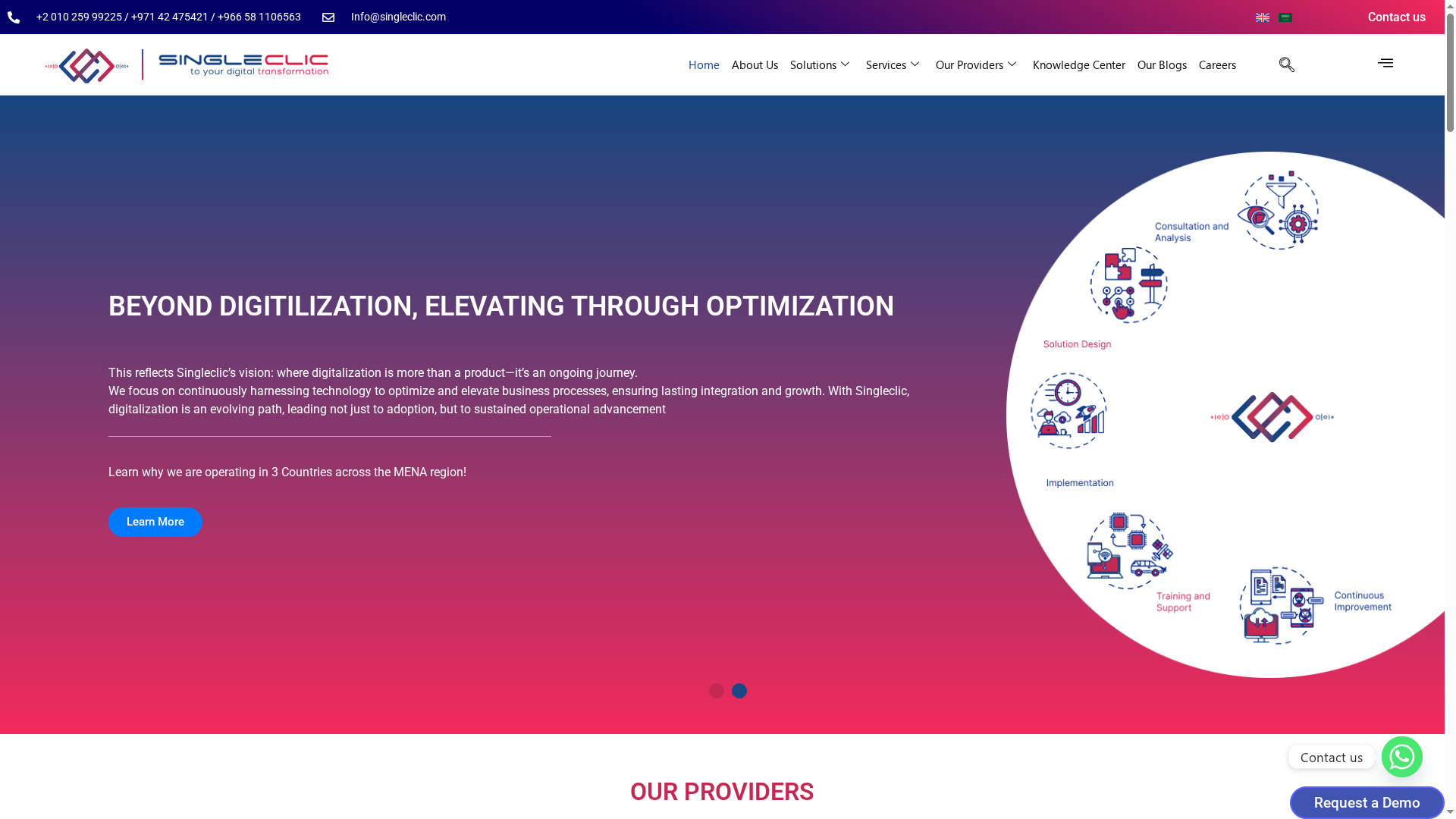
At Singleclic, we specialize in turning these common pain points into success stories. With over 10 years of regional experience, we empower organizations across KSA, UAE, and Egypt to move beyond digitalization into full optimization. Our solutions, from ERP & CRM implementation using Odoo and Microsoft Dynamics 365 to cutting-edge business process automation, are designed to address key challenges like workforce upskilling, seamless system integration, and customer experience enhancement. Explore our digital transformation expertise to accelerate your journey and achieve measurable business outcomes.
Ready to transform your operational roadmap into tangible results? Connect with Singleclic today for tailored strategies that align technology with your goals. Discover how our deep industry knowledge and agile delivery can help you modernize operations and sustain continuous improvement. Visit Singleclic to get started now.
Frequently Asked Questions
How do I assess my organization’s current digital capabilities?
To assess your organization’s current digital capabilities, conduct a comprehensive evaluation of your technological infrastructure, workforce skills, and customer-facing digital presence. Begin with a review of your software tools, hardware systems, and network capabilities, then evaluate employee digital competencies through structured surveys or skills assessments.
What framework should I use to define measurable digitalization goals?
Use the SMART framework to define measurable digitalization goals. This means your objectives should be Specific, Measurable, Achievable, Relevant, and Time-bound. Break down your strategy into actionable phases with clear targets and KPIs that help track progress.
How can I prioritize processes for digital transformation?
To prioritize processes for digital transformation, develop a comprehensive evaluation framework that assesses potential processes based on criteria like efficiency improvement, complexity, and customer impact. Utilize a prioritization matrix to rank these processes and identify high-impact opportunities for transformation.
What should I consider when selecting digital solutions?
When selecting digital solutions, consider compatibility with existing systems, scalability, total cost of ownership, and ease of implementation. Create a structured selection methodology that allows for systematic comparisons and includes technical compatibility testing and pilot program implementation.
How do I monitor progress during the implementation phase?
Establish a robust monitoring system that tracks various performance metrics, user adoption rates, and cost performance. Implement regular performance dashboards and hold quarterly reviews to assess alignment with your strategic objectives and make data-driven adjustments as needed.
What steps are involved in reviewing outcomes and optimizing further?
Review outcomes by developing a systematic evaluation framework that includes quantitative performance metrics and qualitative feedback. Regularly aggregate data, compare against KPIs, and identify areas for improvement, implementing adaptive strategies for ongoing optimization.