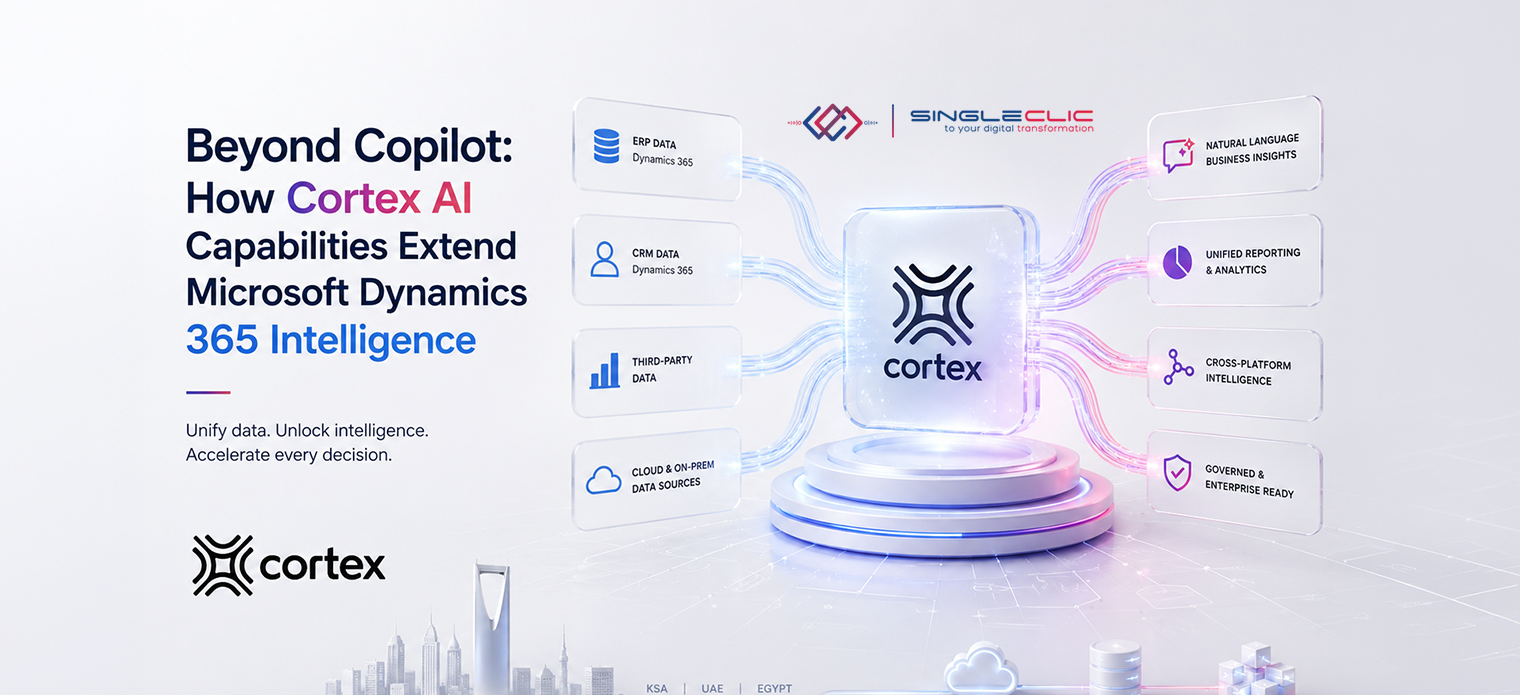
Most American business leaders are surprised to learn that over 85 percent of Middle Eastern organizations cite digital transformation as their top priority for 2025. This growing urgency highlights a dramatic shift where technology, people, and culture now define long-term success in Saudi Arabia and UAE. Understanding what drives these changes helps decision-makers build a practical roadmap and avoid common pitfalls as they adapt to a rapidly digital world.
Table of Contents
- Defining The 2025 Digital Transformation Roadmap
- Key Phases In Modern Transformation Initiatives
- Sector-Specific Strategies For MENA Enterprises
- Navigating Regulatory, Cultural, And Talent Barriers
- Measuring Success And Avoiding Common Pitfalls
Key Takeaways
| Point | Details |
|---|---|
| Strategic Integration is Essential | Businesses must integrate technology, optimize processes, and develop human capital to drive digital transformation effectively. |
| Cultural Shift is Crucial | Successful transformation requires fostering a culture of innovation and continuous learning across organizations. |
| Tailored Sector Strategies are Necessary | Each industry in the MENA region demands specific digital transformation strategies to address unique challenges and leverage opportunities. |
| Performance Measurement is Key | Organizations should implement structured performance frameworks to track progress and ensure alignment with strategic objectives. |
Defining the 2025 Digital Transformation Roadmap
The digital transformation landscape for Middle Eastern businesses demands a strategic, forward-thinking approach that goes beyond technological implementation. Measuring digital transformation indicators reveals critical pathways for organizations seeking sustainable growth and competitive advantage.
At its core, the 2025 Digital Transformation Roadmap represents a holistic blueprint for organizational evolution. For businesses in Saudi Arabia and UAE, this means developing comprehensive strategies that integrate technology, process optimization, and human capital development. Key components include:
- Strategic Technology Integration: Implementing advanced digital solutions across core business functions
- Process Automation: Leveraging low-code platforms like Cortex to streamline operational workflows
- Skill Development: Upskilling workforce to embrace digital competencies
- Data-Driven Decision Making: Utilizing AI and analytics for strategic insights
Successful digital transformation requires more than technological investment. It demands a cultural shift where innovation becomes embedded in organizational DNA. Saudi and UAE enterprises must create adaptive frameworks that enable rapid technological adoption, continuous learning, and agile response to market dynamics. By focusing on scalable, region-specific solutions, businesses can transform digital challenges into strategic opportunities for unprecedented growth.

Key Phases in Modern Transformation Initiatives
Digital transformation is not a single event but a strategic journey requiring methodical implementation. Comprehensive transformation strategies reveal that organizations achieve sustainable success through structured, phased approaches tailored to their unique operational contexts.
The modern digital transformation roadmap typically encompasses four critical phases:
- Strategic Assessment and Alignment
- Evaluating current technological capabilities
- Identifying strategic gaps and opportunities
- Developing a clear digital vision aligned with business objectives
- Technology Infrastructure Modernization
- Implementing scalable digital platforms
- Integrating low-code solutions like Cortex
- Ensuring robust cybersecurity frameworks
- Cultural and Organizational Enablement
- Developing digital literacy programs
- Creating agile, innovation-friendly work environments
- Fostering a culture of continuous learning
- Continuous Optimization and Evolution
- Regular performance monitoring
- Data-driven refinement of digital strategies
- Adaptive technology implementation
Businesses in Saudi Arabia and UAE must recognize that digital transformation extends beyond technological adoption. Tactical roadmap methodologies emphasize the importance of holistic approaches that balance technological innovation, human capital development, and strategic alignment. Successful transformation requires a nuanced understanding of organizational dynamics, technological potential, and market opportunities.
Sector-Specific Strategies for MENA Enterprises
Rethinking digital transformation processes requires a nuanced approach that recognizes the unique challenges and opportunities within specific industry sectors across the Middle East and North Africa (MENA) region. The digital transformation journey is not a one-size-fits-all solution but a tailored strategy that demands deep understanding of each sector’s operational dynamics.
Key sector-specific transformation strategies include:
Banking and Finance
- Advanced cybersecurity implementations
- AI-driven customer experience platforms
- Real-time transaction analytics
- Blockchain and digital payment innovations
Healthcare
- Telemedicine infrastructure development
- Electronic health record modernization
- AI-powered diagnostic tools
- Patient data security frameworks
Government and Public Sector
- Digital citizen services
- Automated administrative processes
- Transparent governance platforms
- Comprehensive digital skill development programs
Construction and Real Estate
- Building information modeling (BIM) technologies
- Project management digital platforms
- IoT-enabled site monitoring
- Predictive maintenance systems
Successful digital transformation in MENA requires more than technological implementation. Organizations must develop comprehensive strategies that integrate technological solutions, workforce capabilities, and sector-specific innovation frameworks. By leveraging low-code platforms like Cortex and adopting agile methodologies, enterprises can create adaptive digital ecosystems that drive operational efficiency and competitive advantage across diverse industry landscapes.
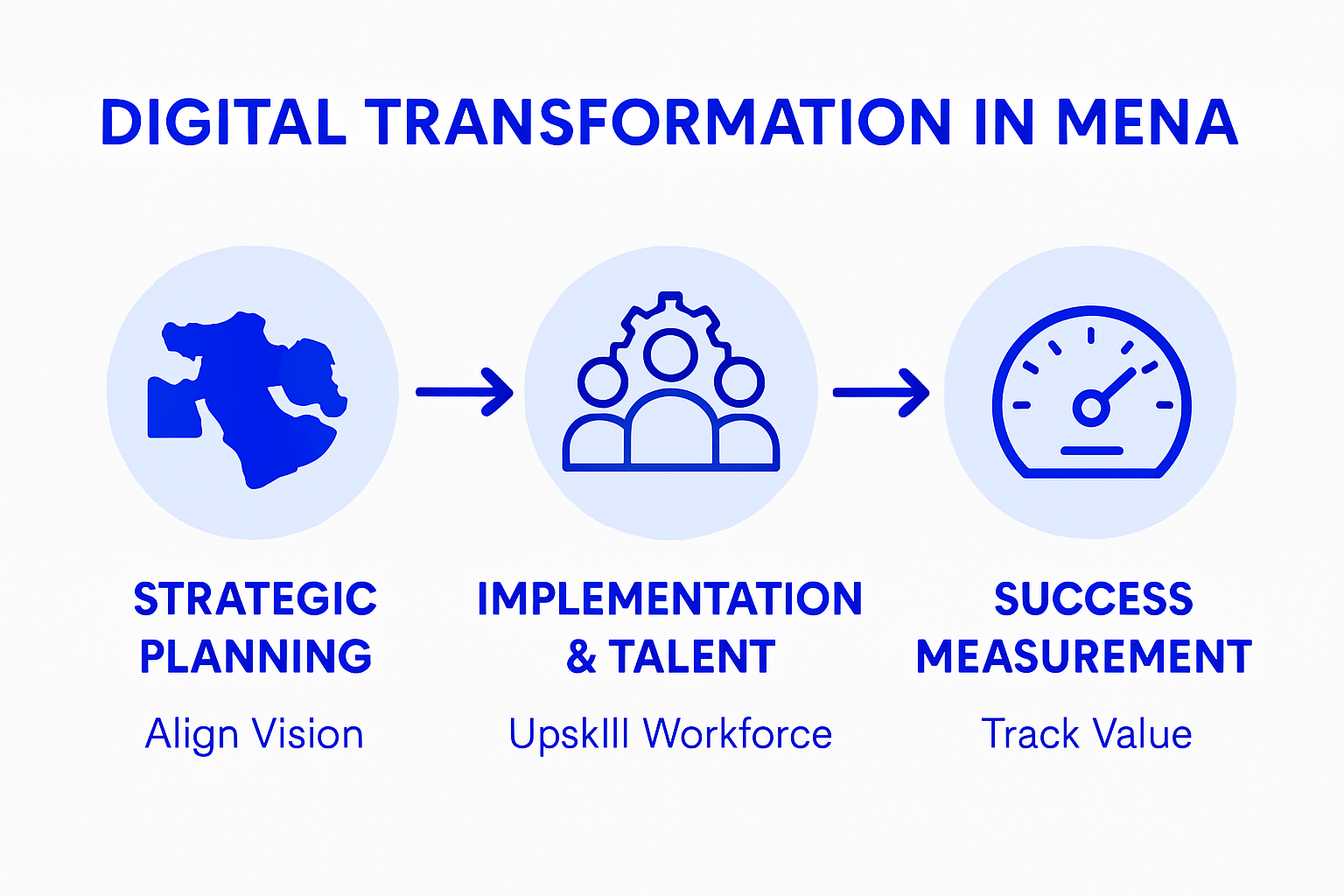
Navigating Regulatory, Cultural, and Talent Barriers
Strategic leadership principles reveal that successful digital transformation extends far beyond technological implementation, particularly in the complex MENA business ecosystem. Organizations must develop sophisticated approaches to overcome interconnected regulatory, cultural, and talent-related challenges that can impede digital progress.
Key strategic approaches to navigating transformation barriers include:
Regulatory Navigation
- Comprehensive compliance mapping
- Proactive engagement with regulatory bodies
- Developing flexible technological architectures
- Creating transparent governance frameworks
Cultural Transformation
- Building digital literacy across organizational levels
- Encouraging innovation and experimentation
- Developing psychological safety for technological adoption
- Creating reward mechanisms for digital champions
Talent Development
- Implementing continuous skill upgrade programs
- Recruiting digital-native talent
- Creating cross-functional learning opportunities
- Developing region-specific digital competency frameworks
Technology Enablement
- Leveraging low-code platforms like Cortex
- Providing accessible digital training modules
- Creating mentorship and knowledge transfer programs
- Developing localized digital transformation curricula
Successful digital transformation in Saudi Arabia and UAE requires a holistic approach that balances technological innovation, regulatory compliance, and human capital development. By creating adaptive ecosystems that prioritize continuous learning, organizations can transform potential barriers into strategic opportunities for growth and competitive differentiation.
Measuring Success and Avoiding Common Pitfalls
Multi-year digitalization strategies demand robust performance measurement frameworks that transcend traditional metrics and capture the holistic impact of digital transformation across MENA enterprises. Success is not merely about technological implementation but about creating measurable, sustainable value that aligns with strategic organizational objectives.
Key Performance Indicators (KPIs) for Digital Transformation:
Operational Efficiency Metrics
- Process automation rate
- Productivity improvement percentages
- Cost reduction achievements
- Resource utilization optimization
Innovation and Adaptability Indicators
- Number of new digital initiatives launched
- Speed of technological integration
- Cross-functional collaboration effectiveness
- Employee digital skill development progression
Financial Performance Measurements
- Return on digital investment (RODI)
- Revenue generated through digital channels
- Customer acquisition cost reduction
- Digital revenue growth rate
Common Pitfalls to Avoid
- Treating digital transformation as a one-time project
- Insufficient change management strategies
- Overlooking employee skill development
- Neglecting continuous learning frameworks
Businesses in Saudi Arabia and UAE must develop structured performance measurement frameworks that enable real-time tracking, adaptive strategy refinement, and comprehensive organizational growth. By implementing low-code platforms like Cortex and establishing cross-functional steering committees, enterprises can create transparent, data-driven transformation ecosystems that consistently deliver measurable business value.
Unlock Your Digital Transformation Potential in MENA with Singleclic
Navigating the complexities of digital transformation in Saudi Arabia, UAE, and the broader MENA region requires more than just technology adoption. The article highlights the critical challenges of integrating strategic technology, enabling cultural shifts, and overcoming regulatory and talent barriers. Key pain points such as the need for scalable low-code platforms, continuous workforce skill development, and data-driven decision making demand sophisticated and adaptive solutions.
At Singleclic, we understand these demands deeply. Our offerings like the Arabic-enabled low-code platform Cortex enable your enterprise to automate processes, optimize operations in real time, and evolve quickly without downtime. With over 10 years of regional expertise and trusted partnerships delivering ERP, CRM, Robotic Process Automation, and AI solutions, we empower businesses in construction, healthcare, banking, government, and more. Discover how our Business Process Automation and AI & Low-Code Platform Development services can make your transformation roadmap a tangible, measurable success.
Start accelerating your digital transformation journey today by partnering with a proven expert that goes beyond digitalization to elevate through optimization. Visit Singleclic now and turn your 2025 Digital Transformation Roadmap into reality with scalable, agile, and culturally attuned solutions built for MENA enterprises.
Frequently Asked Questions
What is a digital transformation roadmap?
A digital transformation roadmap is a strategic plan that outlines the process and steps businesses should take to integrate digital technologies, optimize processes, and enhance human capital to achieve sustainable growth and competitive advantage.
Why is cultural transformation important in digital transformation?
Cultural transformation is crucial in digital transformation as it fosters an environment of innovation and learning. A culture that embraces change and technological adoption is essential for successfully implementing digital strategies and maintaining competitiveness.
What are the key components of a successful digital transformation strategy?
The key components include strategic technology integration, process automation, skill development, and data-driven decision-making to ensure that organizations can adapt and thrive in increasingly digital marketplaces.
How can organizations measure the success of digital transformation initiatives?
Organizations can measure success using Key Performance Indicators (KPIs) such as operational efficiency metrics, innovation indicators, and financial performance measurements, which help track progress and inform strategy refinement.