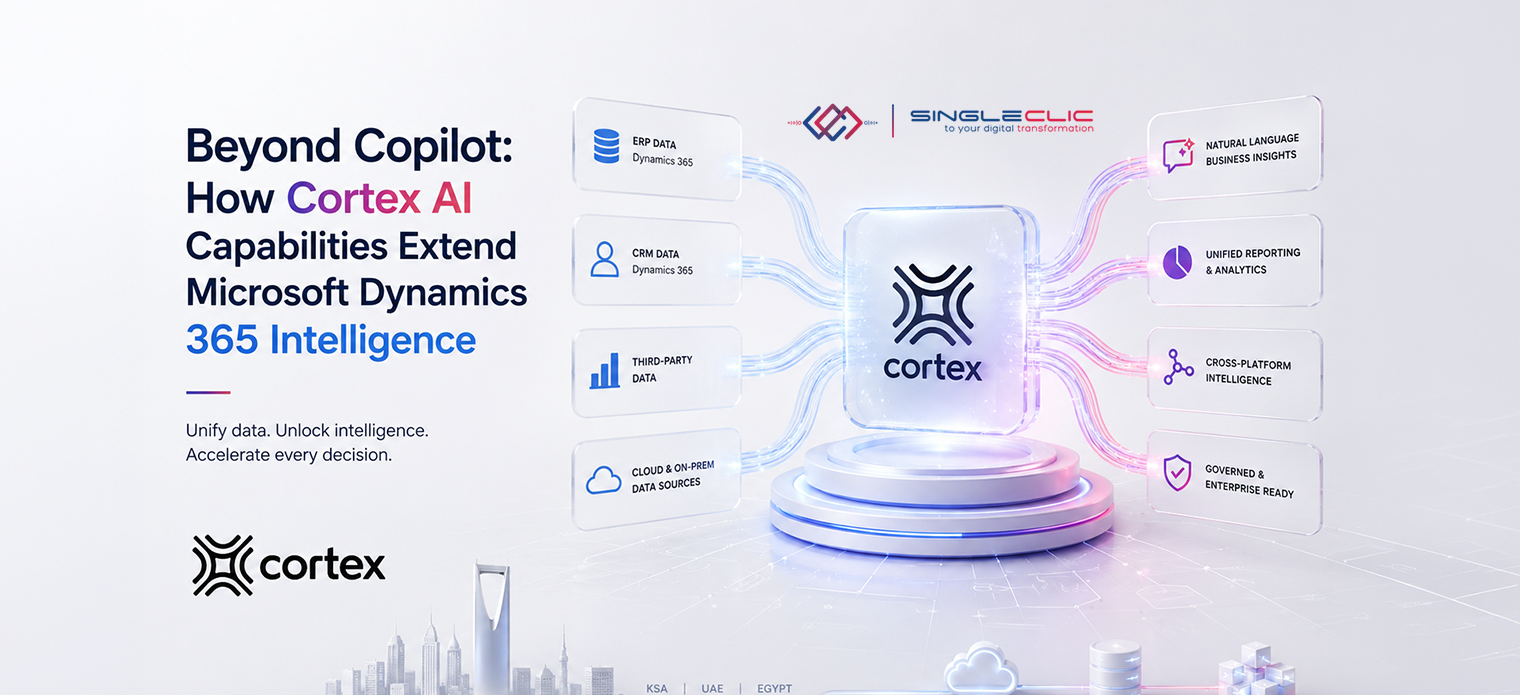
From Silos to Synergy: How to Create a Connected Digital Architecture with ERP and CRM
Breaking down silos between ERP and CRM no longer waits. Your disconnected systems cost time, data accuracy, and clarity—hurting decisions and growth. This post shows how to build a connected digital architecture using Microsoft Dynamics 365 and Odoo, powered by tools like Power Platform, Power BI, and Agentic AI. You’ll get a clear, actionable blueprint to unify your operations and boost decision intelligence in your sector. Learn more about integration and intelligent workflows.
Building a Connected Digital Architecture

Creating a unified digital system starts with merging your ERP and CRM. This connection saves time and improves clarity, driving your business forward.
ERP and CRM Integration Strategies
Integrating ERP and CRM systems begins with understanding your specific needs. These systems can work together to streamline processes. With tools like Microsoft Dynamics 365 and Odoo, you can create a tailored solution for your business. Explore more about ERP integration best practices.
First, assess your existing systems. Identify gaps where data is lost or duplicated. Next, outline how ERP and CRM can fill these gaps. By combining these systems, you enhance data accuracy and decision-making. For instance, a company integrated these systems and noticed a 20% improvement in operational efficiency.
To get started, focus on key processes that need alignment. Use integration tools that support real-time data sharing. This approach ensures everyone has access to the same information, reducing errors and delays.
Leveraging Microsoft Dynamics 365 and Odoo
Microsoft Dynamics 365 and Odoo provide robust platforms for integration. They offer flexible solutions that cater to various industries. Dynamics 365, known for its comprehensive ERP and CRM capabilities, can be tailored to fit any business size. Odoo, on the other hand, offers a modular approach, allowing businesses to pick and choose the functionalities they need.
By using these platforms, you can improve customer interactions and streamline operations. For example, a healthcare provider implemented Dynamics 365 and saw a 30% increase in patient data accuracy. This success was due to the system’s ability to integrate various data sources seamlessly.
The key is to customize these tools to meet your unique needs. Dynamics 365 and Odoo both offer customization options to suit different business models. By leveraging these options, you can create a system that not only meets current demands but is also scalable for future growth.
Harnessing Data and Automation
With integrated systems in place, you can harness data and automation to drive efficiency. This approach not only saves time but also empowers informed decision-making.
Power Platform and Power BI Analytics
The Power Platform and Power BI are game-changers in data analytics. They offer tools that help you visualize and understand your data. With these tools, you can create customized dashboards that provide real-time insights into your operations. Discover more about Power BI analytics.
Start by identifying key performance indicators (KPIs) that matter to your business. Then, use Power BI to create dashboards that track these KPIs. This process enables you to quickly identify trends and make informed decisions. A retail company that adopted Power BI reported a 15% boost in sales due to enhanced data visibility.
Power Platform also allows for custom app development. This feature is particularly useful for businesses looking to automate repetitive tasks. By creating custom applications, you can streamline workflows and improve productivity. This not only saves time but also reduces operational costs.
Role of Robotic Process Automation
Robotic Process Automation (RPA) is crucial for modern businesses. RPA automates routine tasks, freeing up employees to focus on more strategic activities. Implementing RPA can lead to significant productivity gains. In fact, businesses using RPA have seen a 25% reduction in manual processing errors.
Consider tasks that are repetitive and time-consuming. These are ideal candidates for automation. RPA can handle data entry, invoice processing, and more, ensuring consistency and speed.
By integrating RPA with your existing systems, you can further enhance efficiency. This integration allows for seamless operation across various processes, providing a unified workflow. The result is a more agile and responsive business environment.
Implementing AI and Governance
As you integrate AI, it’s essential to consider governance. This ensures your systems are secure and compliant with industry standards.
Agentic AI and On-Premises Solutions
Agentic AI offers transformative capabilities for businesses. It can process vast amounts of data quickly, providing actionable insights. On-premises AI solutions ensure data security and control, critical for industries like healthcare and finance. Learn more about Agentic AI and other on-premises solutions.
Start by identifying areas where AI can add value. For instance, predictive analytics can help forecast demand, optimizing inventory levels. A logistics company that implemented AI solutions reported a 20% improvement in delivery times due to better demand forecasting.
On-premises solutions provide the flexibility and security needed for sensitive data. They allow businesses to maintain control over their information, ensuring compliance with regulations. By combining AI with on-premises solutions, you can drive innovation while safeguarding your data.
Master Data Management Essentials
Master Data Management (MDM) is crucial for maintaining a single source of truth. It ensures data consistency across all systems, which is vital for accurate reporting and decision-making.
Begin by assessing your data sources. Identify discrepancies and areas where data is duplicated. Implementing MDM practices helps to clean and standardize data, improving overall data quality. Businesses with strong MDM practices report a 30% reduction in data errors.
Focus on creating a data governance framework. This framework should outline how data is collected, stored, and used. By establishing clear guidelines, you ensure data integrity and reliability.
Conclusion
Building a connected digital architecture transforms how businesses operate. By integrating ERP and CRM systems, leveraging data analytics, and implementing AI, you can drive efficiency and innovation. Embrace these strategies to unlock new opportunities and stay ahead in a competitive market.