Cybersecurity incidents cost American enterprises over 10 billion dollars annually, pushing data security to the top of every digital agenda. As digital transformation accelerates across industries, the risk to sensitive information grows more complex and difficult to manage. Understanding how to build comprehensive protection strategies is now essential for any organization looking to thrive in a rapidly evolving technological environment.
Table of Contents
- Defining Data Security In Digital Transformation
- Core Data Security Challenges In Enterprises
- Key Technologies And Methods For Safeguarding Data
- Compliance, Regulations, And Regional Requirements
- Mitigating Risks And Avoiding Common Pitfalls
Key Takeaways
| Point | Details |
|---|---|
| Holistic Data Security Approach | Organizations must adopt comprehensive strategies that integrate technology, policy, and employee training to protect digital assets effectively. |
| Ongoing Risk Management | Data security is an ongoing process; enterprises should implement multilayered security measures and continuous monitoring to address evolving threats. |
| Compliance as a Strategic Advantage | Viewing regulatory compliance as a strategic opportunity can enhance trust and differentiate enterprises in competitive markets. |
| Employee Training and Awareness | Regular training programs are essential to mitigate insider threats and improve overall security awareness within organizations. |
Defining Data Security in Digital Transformation
Data security in digital transformation represents a sophisticated strategic approach to protecting an organization’s critical digital assets throughout technological evolution. As enterprises increasingly migrate core operations to digital platforms, understanding the comprehensive nature of data protection becomes paramount. Cybersecurity frameworks critical to digital infrastructure now demand holistic strategies that go beyond traditional perimeter defense models.
At its core, data security encompasses multiple interconnected dimensions. These include technological safeguards, organizational policies, employee training, and continuous risk assessment methodologies. Saudi Arabian and UAE enterprises, particularly in sectors like finance, healthcare, and government, must develop robust security architectures that can adapt to rapidly changing technological landscapes. Our low code platform, Cortex, provides organizations with tools to build secure, resilient digital ecosystems without compromising operational agility.
The most effective data security strategies recognize that protection is not a one time implementation but an ongoing process. Sophisticated threats emerge continuously, requiring dynamic defense mechanisms. Enterprises must implement multilayered security approaches that include:
- Advanced encryption protocols
- Real time threat monitoring systems
- Comprehensive access management frameworks
- Regular security vulnerability assessments
- Automated threat detection and response mechanisms
By integrating these comprehensive security strategies, organizations can transform potential digital vulnerabilities into strategic advantages, ensuring operational continuity and maintaining stakeholder trust in an increasingly complex technological environment.
Core Data Security Challenges in Enterprises
Enterprises today face an increasingly complex landscape of data security challenges that demand sophisticated, multifaceted strategies. Data privacy and cybersecurity risks in digital transformation have become critical considerations for organizations across industries, particularly in banking, finance, and government sectors. These challenges extend beyond simple technological solutions and require comprehensive, adaptive approaches that address both technological and human factors.

The primary data security challenges can be categorized into several critical domains. Internal threats represent a significant risk, with employee actions potentially compromising sensitive information through unintentional mistakes or deliberate misconduct. External threats, including sophisticated cyberattacks, ransomware, and advanced persistent threats, continue to evolve at an alarming pace. Saudi Arabian and UAE enterprises must develop robust security frameworks that anticipate and mitigate these dynamic risks. Our low code platform, Cortex, provides organizations with flexible tools to create secure digital infrastructures that can quickly adapt to emerging security challenges.
Specific data security challenges enterprises must address include:
- Protecting sensitive data across distributed cloud environments
- Managing access controls and user authentication
- Ensuring compliance with regional and international data protection regulations
- Defending against evolving cybersecurity threats
- Maintaining data integrity during digital transformation processes
- Implementing real time threat detection and response mechanisms
By recognizing and proactively addressing these multifaceted challenges, organizations can develop resilient security strategies that protect critical assets while enabling innovative digital transformation initiatives. The key lies in creating adaptive, comprehensive security approaches that balance technological solutions with human-centric risk management practices.
Key Technologies and Methods for Safeguarding Data
Modern enterprises require sophisticated data protection technologies that go beyond traditional security measures. Machine learning-based approaches for advanced data leakage protection have emerged as critical tools in developing comprehensive security strategies. These innovative technologies enable organizations to create dynamic, intelligent defense mechanisms that can adapt to evolving cyber threat landscapes.
Data protection encompasses a multifaceted approach integrating cutting edge technological solutions. Saudi Arabian and UAE enterprises are increasingly adopting advanced security frameworks that leverage artificial intelligence, machine learning, and sophisticated encryption protocols. Our low code platform, Cortex, provides organizations with flexible tools to implement robust security architectures that can seamlessly integrate these advanced protection technologies. Key technological strategies include:
- Advanced encryption technologies
- Artificial intelligence driven threat detection systems
- Zero trust security architectures
- Blockchain based data integrity verification
- Federated access control mechanisms
- Real time anomaly detection and response platforms
- Automated security patch management systems
The future of data security lies in developing comprehensive federated access control models that provide granular, intelligent protection across complex digital ecosystems. By implementing these advanced technologies, organizations can create resilient security frameworks that not only protect sensitive information but also enable innovative digital transformation initiatives while maintaining operational flexibility and regulatory compliance.
Compliance, Regulations, and Regional Requirements
Comprehensive cybersecurity compliance strategies have become increasingly critical for enterprises navigating the complex landscape of data protection regulations. Organizations must develop nuanced approaches that address both global standards and region specific requirements, particularly in dynamic markets like Saudi Arabia and the United Arab Emirates. The regulatory environment demands a sophisticated understanding of legal frameworks that extend beyond simple checkbox compliance.
Regulatory compliance represents a multifaceted challenge that requires strategic alignment across technological, operational, and legal domains. Saudi Arabian and UAE enterprises face unique regulatory landscapes that demand robust, adaptable security frameworks. Our low code platform, Cortex, enables organizations to rapidly develop compliant systems that can quickly adjust to evolving regulatory requirements. Key compliance considerations include:
- Adherence to international data protection standards
- Localized regulatory requirements specific to Middle Eastern markets
- Comprehensive data privacy protection mechanisms
- Transparent data handling and reporting protocols
- Regular independent security and compliance audits
- Cross border data transfer regulations
- Industry specific compliance requirements
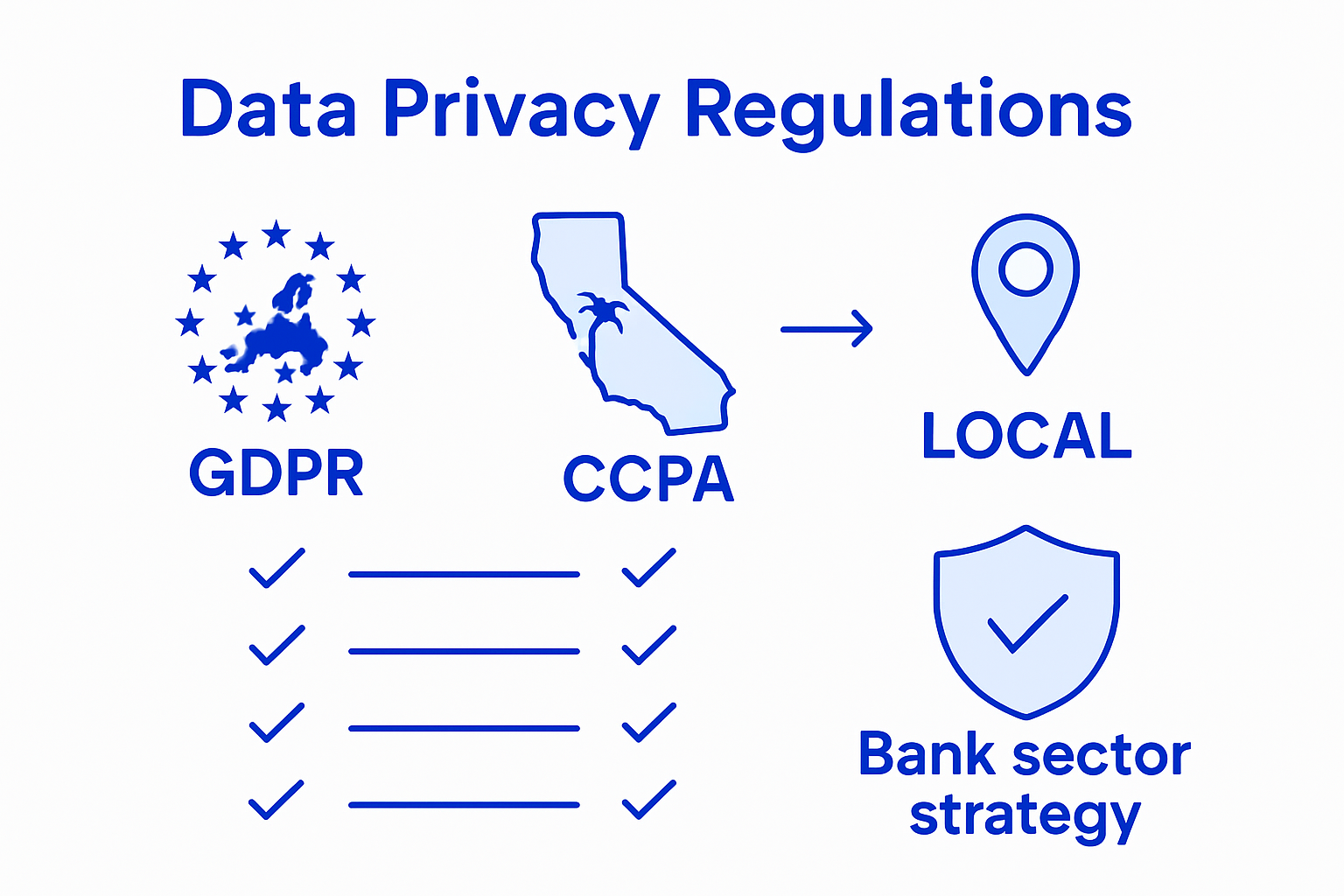
Bank sector data privacy strategies highlight the importance of proactive compliance management. By developing comprehensive regulatory strategies that anticipate future legal developments, organizations can transform compliance from a potential liability into a strategic advantage. The most successful enterprises view regulatory adherence not as a constraint, but as an opportunity to build trust, demonstrate technological sophistication, and differentiate themselves in increasingly competitive digital landscapes.
Mitigating Risks and Avoiding Common Pitfalls
Enterprises must develop sophisticated strategies for mitigating insider threats in complex storage environments, recognizing that data security risks often originate from within organizational boundaries. The most significant vulnerabilities frequently stem from human factors, technological gaps, and inadequate security awareness, requiring a holistic approach that addresses both technological and cultural dimensions of data protection.
Risk mitigation demands a comprehensive strategy that goes beyond traditional defensive mechanisms. Saudi Arabian and UAE enterprises face unique challenges that require adaptive, intelligent security frameworks. Our low code platform, Cortex, enables organizations to rapidly develop dynamic risk management systems that can anticipate and neutralize potential security vulnerabilities. Key risk mitigation strategies include:
- Comprehensive employee cybersecurity training programs
- Advanced access control and authentication mechanisms
- Regular security vulnerability assessments
- Real time threat detection and response systems
- Continuous monitoring of data access and usage patterns
- Implementing zero trust security architectures
- Developing robust incident response protocols
Common data protection challenges highlight the evolving nature of cybersecurity threats, particularly with the emergence of artificial intelligence and generative technologies. By adopting a proactive, multifaceted approach to risk management, organizations can transform potential vulnerabilities into opportunities for strengthening their digital resilience and maintaining operational integrity in an increasingly complex technological landscape.
Protect Your Enterprise Data While Driving Digital Transformation
Data security challenges such as evolving cyber threats, internal vulnerabilities, and complex regulatory demands make protecting sensitive data crucial for enterprises in Saudi Arabia, UAE, and beyond. The article highlights how multilayered defenses, real-time threat detection, and adaptive compliance strategies are no longer optional but essential for resilient digital ecosystems. If you are seeking a reliable partner to help you build a secure foundation while accelerating innovation, your search ends here.
Singleclic offers industry-leading solutions that combine our deep regional expertise with technology to tackle these exact pain points. Our ERP & CRM Implementation services and Business Process Automation powered by platforms like Cortex provide your organization with real-time process optimization and multilayered security tailored for MENA markets.
Take control of your data security today. Visit Singleclic to learn how our scalable end-to-end solutions empower your business to transform securely and efficiently. Don’t wait for risks to evolve; act now to protect your operations and gain a strategic advantage in your digital transformation journey.
Frequently Asked Questions
What are the key components of data security in digital transformation?
Data security in digital transformation includes technological safeguards, organizational policies, employee training, and continuous risk assessment methodologies to protect critical digital assets.
How do organizations address evolving cybersecurity threats?
Organizations implement multilayered security approaches, such as advanced encryption protocols, real-time threat monitoring, comprehensive access management, and automated threat detection and response mechanisms.
What challenges do enterprises face regarding data security during digital transformation?
Enterprises face challenges like internal and external threats, protecting sensitive data across distributed environments, managing access controls, ensuring regulatory compliance, and maintaining data integrity.
What technologies are essential for safeguarding data in modern enterprises?
Key technologies for data protection include advanced encryption, artificial intelligence-driven threat detection systems, zero trust security architectures, and real-time anomaly detection platforms.