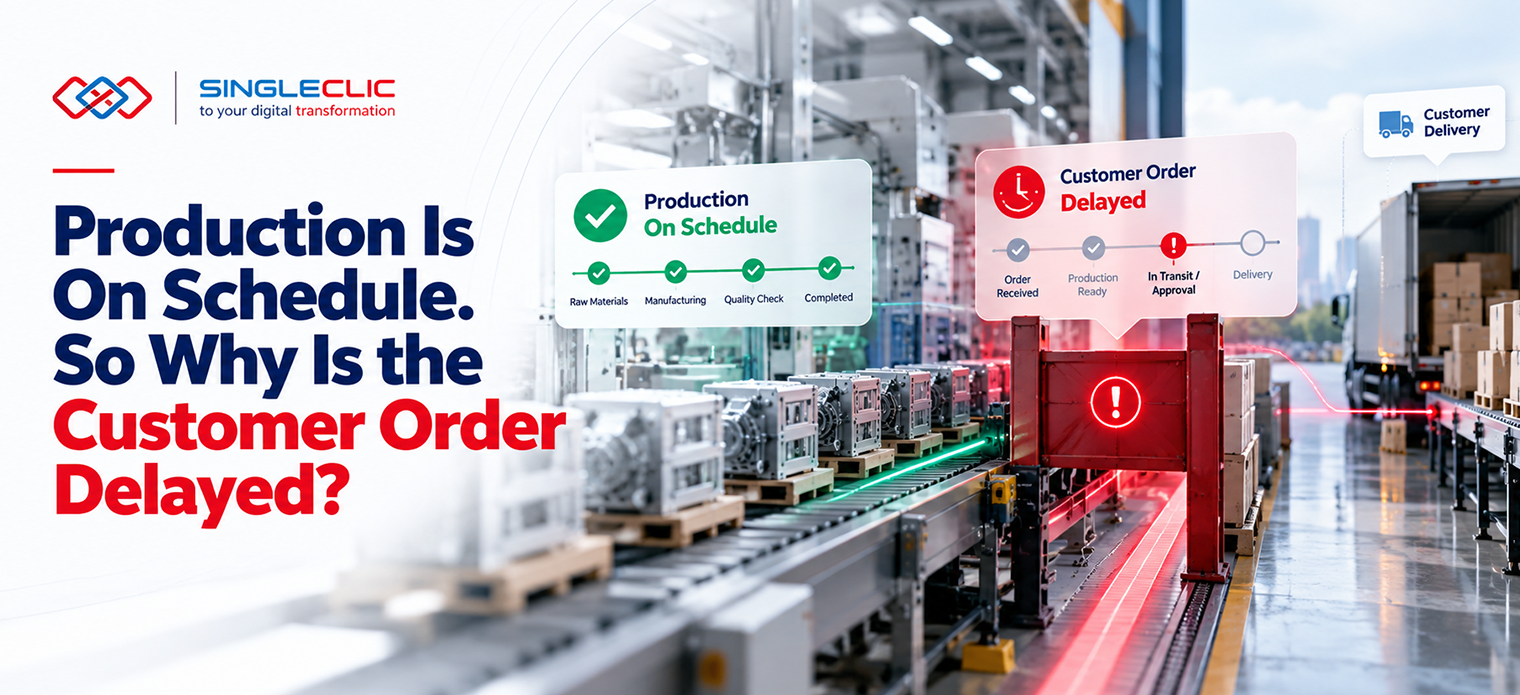
Stop juggling disconnected systems that drain your time and cloud your decisions. Without ERP and CRM integration, your data sits in silos, hiding the full story your business needs to run smoothly. Discover how a unified backbone with Microsoft Dynamics 365 and Odoo integration delivers operational control, streamlines processes, and sharpens forecasting to give you one clear source of truth.
Unified ERP-CRM Backbone
Integrating ERP and CRM establishes a strong foundation, allowing your business to manage operations and customer relationships seamlessly. Let’s explore how this union dismantles barriers and enhances your business capabilities.
Eliminate Data Silos
Data silos create blind spots that hinder informed decision-making. By merging ERP and CRM, you achieve a centralized data hub. This integration ensures all departments access consistent, up-to-date information. Imagine the efficiency when sales, finance, and customer service teams see the same customer data. It reduces errors, enhances communication, and speeds up service delivery. A unified data system means no more toggling between platforms to piece together information. Companies often find a 30% increase in productivity when silos are removed, empowering teams to focus on strategic tasks.
Strengthen Governance and Compliance
Proper governance ensures your business runs smoothly and meets industry standards. With integrated systems, compliance becomes straightforward. All critical data is stored in one place, making audits less stressful. The system automatically updates records, reducing manual errors that could lead to compliance breaches. This integration allows you to set permissions and track who accesses what data. The peace of mind from knowing your data is secure and compliant cannot be overstated. It’s easier to implement policies and ensure everyone adheres to them, safeguarding your business against legal issues.
Accelerate Process Automation
Manual tasks slow down operations. By automating processes through ERP and CRM integration, you free up valuable time. Automation handles repetitive tasks like order processing and customer follow-ups, increasing speed and accuracy. This acceleration means you can respond faster to market changes and customer needs. Businesses that adopt automation often see a 50% reduction in operational costs. Most people think manual oversight is necessary, but with automation, you enhance efficiency without sacrificing control. It’s not just about doing things faster; it’s about doing them smarter.
Enhanced Operational Control

A unified system does more than eliminate silos; it grants you superior control over operations. Let’s delve into how this integration sharpens forecasting and decision-making.
Improve Predictive Forecasting
Accurate forecasting is crucial for strategic planning. With integrated data, predictive analytics becomes more reliable. You can anticipate market trends and customer behaviors with greater precision. This foresight allows for proactive decision-making, aligning resources with future demands. Companies using predictive tools report a 40% increase in forecast accuracy. It’s like having a crystal ball for your business. Instead of reacting to changes, you prepare for them, gaining a competitive edge.
Real-Time Analytics with Power BI Dashboards
Access to real-time analytics transforms how you view your business. Power BI dashboards provide instant insights into performance metrics. They enable you to track sales, inventory, and customer interactions in one view. This real-time visibility means you can adjust strategies on the fly, ensuring you meet business goals. The dashboards are customizable, allowing you to focus on metrics that matter most. Imagine spotting a trend as it happens rather than after it’s too late. This proactive approach keeps your business agile and responsive.
Single Source of Truth with Dynamics 365
Having one source of truth eliminates confusion. Dynamics 365 ensures all your data is synchronized, providing a consistent view across departments. This integration supports better collaboration, as everyone works from the same information. It reduces disagreements over data accuracy and streamlines decision-making. With a single source, you cut through the noise, focusing on strategies that drive growth. It’s about clarity and confidence in every decision you make.
Industry-Specific Solutions

Every industry has unique challenges. ERP and CRM integration offers tailored solutions to meet these demands, ensuring relevance and effectiveness.
Construction ERP and Real Estate CRM
The construction and real estate sectors require precise project management. Integrated systems manage contracts, timelines, and budgets efficiently. They provide real-time updates, preventing costly delays. Whether you’re tracking materials or managing client interactions, the system keeps everything on track. This integration supports seamless transitions from project planning to execution, ensuring every detail is accounted for.
Government and Healthcare Analytics
Public sectors demand transparency and efficiency. Integrated systems in government and healthcare improve service delivery by streamlining data management. They support compliance with regulations, providing secure data storage and access. Analytics tools help identify trends and needs, enabling better resource allocation. This integration enhances service quality and operational efficiency, building trust and satisfaction among citizens and patients.
Field Service Management and Project Accounting
Managing field operations and projects becomes straightforward with integrated systems. They track workforce performance, project progress, and financials in real-time. This visibility ensures that resources are used effectively and projects stay within budget. Whether it’s scheduling maintenance or billing clients, the system automates these processes, reducing errors and increasing accountability. It ensures that every aspect of field service and project accounting is optimized, delivering maximum value.
Frequently Asked Questions
What are the primary benefits of ERP and CRM integration?
ERP and CRM integration centralizes data, eliminating silos and enhancing communication across departments. This leads to improved efficiency, better decision-making, and increased productivity, as all teams have access to consistent and up-to-date information.
How does integration improve forecasting?
With integrated data systems, businesses can utilize predictive analytics for more reliable forecasting. This allows companies to anticipate market trends and customer behaviors better, enabling proactive decision-making and strategic planning.
What industries benefit most from ERP and CRM integration?
Industries such as construction, real estate, government, and healthcare benefit significantly. Integration provides tailored solutions that meet specific industry challenges, from project management in construction to compliance in healthcare.
How does integration support governance and compliance?
Integrated systems consolidate data, making it easier to manage and audit information. This supports adherence to industry standards and regulations by reducing manual errors and ensuring secure data storage and access.
What role does automation play in ERP and CRM integration?
Automation accelerates processes by handling repetitive tasks, allowing businesses to respond quickly to market changes and customer needs. This increases operational speed and accuracy, reducing costs and enhancing efficiency.