Revolutionizing Healthcare Management with AI and Analytics: The Future is Now
Forget the old ways of managing healthcare data and operations that drain resources and slow decision-making. You know that AI in healthcare and healthcare analytics hold the key to smarter patient data management and streamlined workflows—but tapping into their full potential remains a challenge. This post reveals how Singleclic’s tailored healthcare management solutions are already reshaping the sector, delivering measurable improvements in care quality and operational control. Learn more about the transformative impact of AI and analytics in healthcare.
AI in Healthcare Management
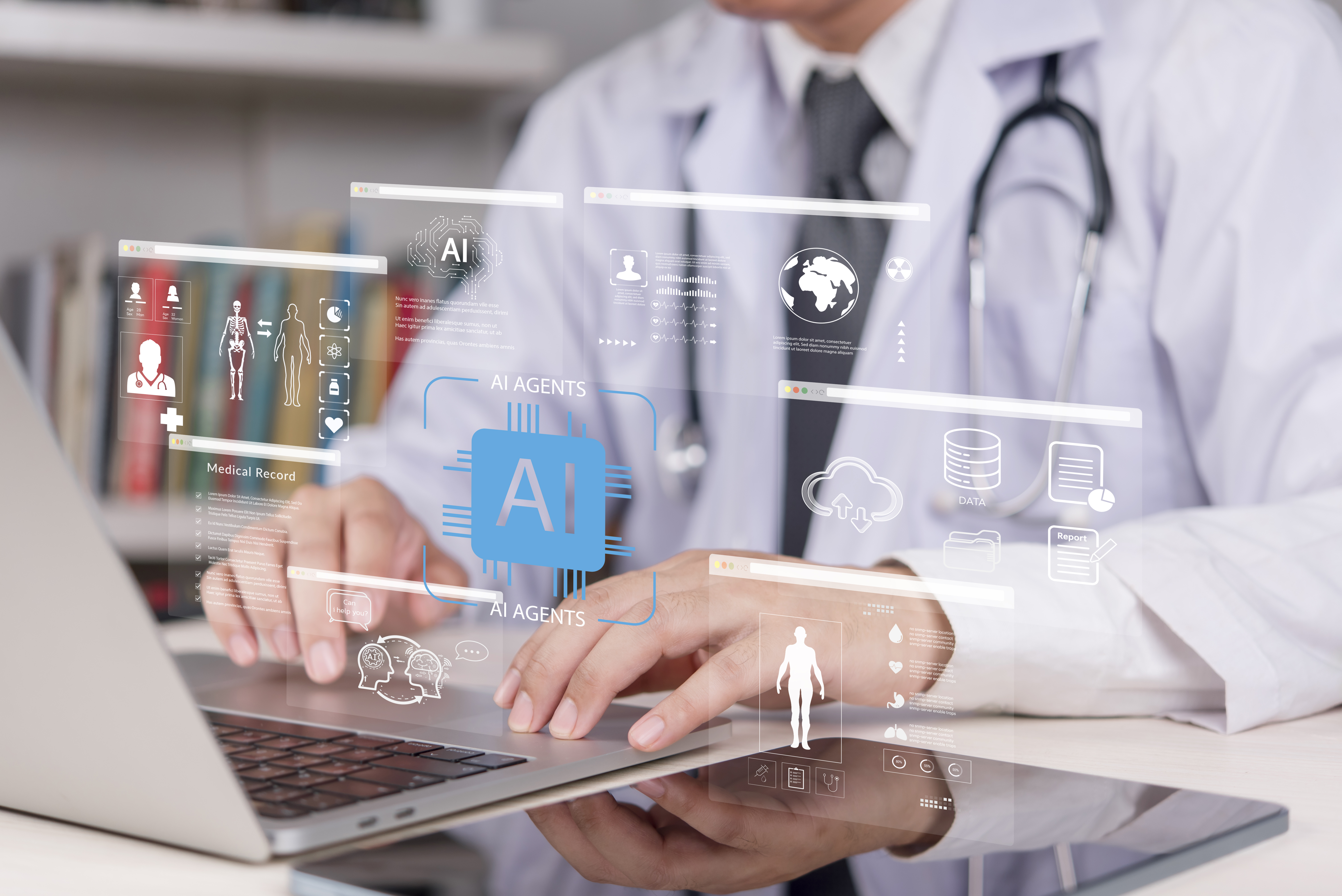
The integration of artificial intelligence is rapidly changing how healthcare organizations operate. This leap is not just about technology; it’s about enhancing patient care and refining operational efficiency.
Enhancing Patient Care with AI
Imagine a world where healthcare providers can predict patient needs even before symptoms appear. With AI, this is becoming a reality. AI systems analyze vast amounts of data to detect patterns that might elude human eyes. For example, AI can evaluate medical imaging with precision, identifying conditions like early-stage cancers. This means faster diagnosis and timely treatments. Not only does this improve outcomes, but it also significantly reduces the strain on healthcare resources.
Hospitals are also using AI to personalize treatment plans. By examining a patient’s medical history, lifestyle, and genetic information, AI can suggest tailored interventions. This enhances the quality of care and boosts patient satisfaction. As a healthcare leader, adopting AI solutions can position your organization at the forefront of medical innovation.
Streamlining Operations with Analytics
Operations in healthcare can be complex, but analytics is here to simplify them. With advanced analytics, hospitals can optimize scheduling, manage inventory, and predict staffing needs. For instance, data analytics can reveal peak times in emergency departments, allowing for better resource allocation. This type of analysis results in reduced waiting times and improved patient experiences.
Data-driven tools also highlight inefficiencies in operational processes. By addressing these, hospitals can cut costs and enhance services. Imagine a system that alerts you of potential bottlenecks or equipment shortages before they occur. This proactive approach ensures a smoother operation and better service delivery. Explore how analytics is revolutionizing healthcare operations.
Digital Transformation in Healthcare
Digital transformation is more than a buzzword; it’s a necessity. In healthcare, it’s paving the way for more integrated and responsive care systems.
Leveraging ERP and CRM Systems
ERP (Enterprise Resource Planning) and CRM (Customer Relationship Management) systems are foundational to digital transformation. These platforms help healthcare institutions manage everything from patient records to supply chains. By integrating these systems, organizations can ensure seamless communication and data flow, leading to improved patient care.
For instance, an ERP system can automate billing, reducing errors and administrative burdens. Meanwhile, a CRM system can track patient interactions and preferences, enabling personalized communication and care. These systems together create a unified platform that supports both operational and patient-facing aspects of healthcare. Learn about successful ERP and CRM implementations in healthcare.
Successful Case Studies and Partnerships
Real-world examples highlight the power of digital transformation. Singleclic’s partnership with Emirates Health Services showcases how ERP solutions streamline operations, enhancing efficiency and patient care. The integration of Dynamics CRM has revolutionized patient data handling, offering insights that drive better healthcare delivery.
Partnerships like these underscore the importance of collaboration in digital transformation. By aligning with industry leaders, healthcare organizations can access cutting-edge solutions tailored to their needs. These partnerships not only bring technological advancements but also foster a culture of continuous improvement and innovation.
Future of Healthcare Analytics
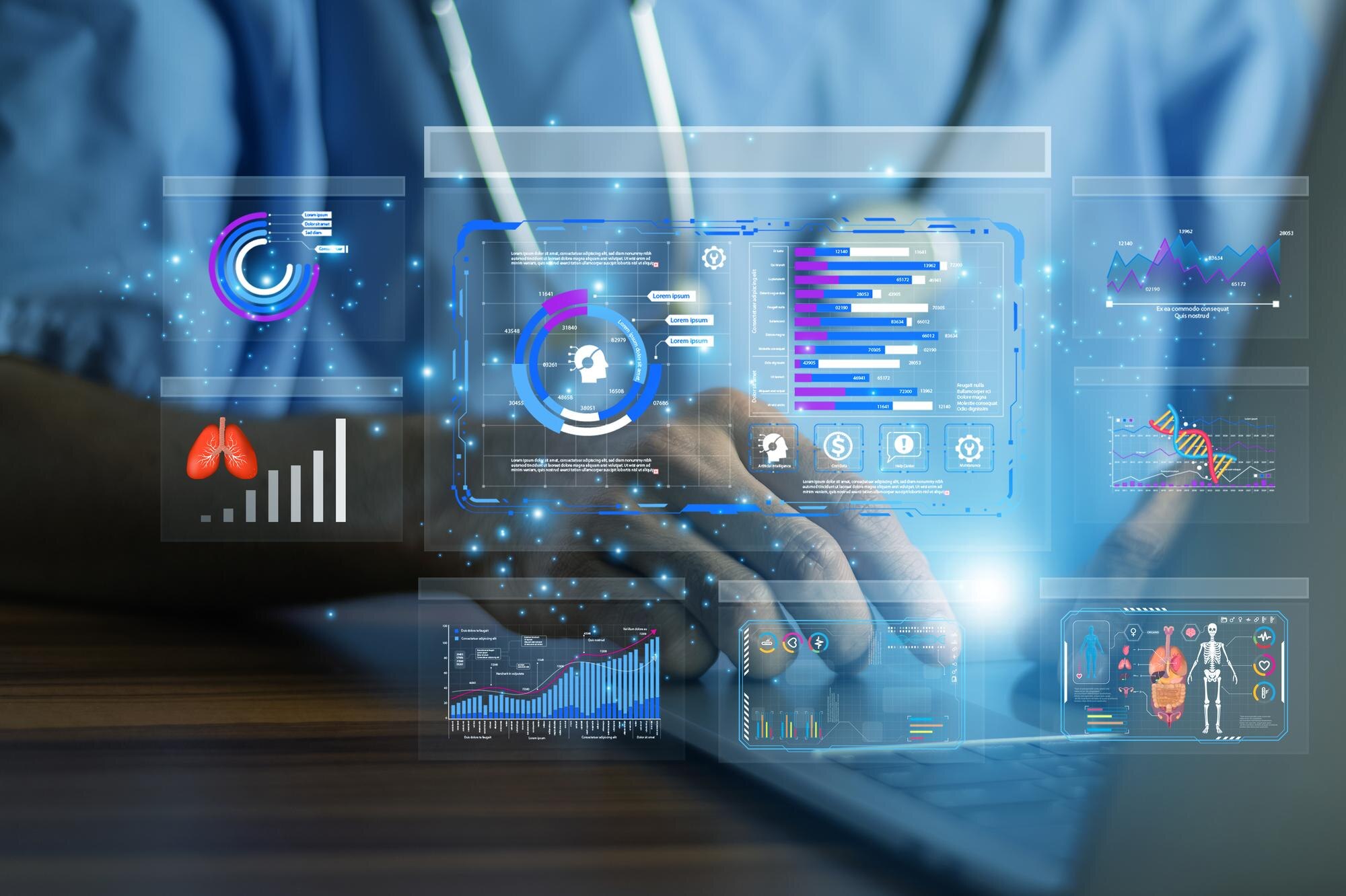
The future of healthcare hinges on analytics. As data continues to grow, so does the opportunity to harness its power for better healthcare outcomes.
Patient Data Management Solutions
Effective data management is crucial for modern healthcare. With patient data management solutions, institutions can securely store, access, and analyze patient information. This not only aids in compliance with regulations but also enhances patient trust.
These solutions also support data interoperability, allowing different systems to communicate seamlessly. This means that whether in a hospital or a private clinic, patient data remains consistent and accessible. This consistency is vital for continuity of care and ensures that patients receive the best possible treatment. Dive deeper into the significance of patient data management.
AI-Driven Insights for Cost Reduction
AI is not just about improving care; it’s also about reducing costs. By analyzing operational data, AI can uncover inefficiencies and suggest cost-saving measures. For example, predictive analytics can forecast equipment maintenance needs, preventing costly breakdowns.
Moreover, AI can optimize supply chain management, ensuring resources are used effectively. This cuts unnecessary expenses and boosts operational efficiency. The longer you wait to adopt AI, the more opportunities for savings slip away. But with the right solutions, your organization can thrive in a cost-effective manner. Discover how AI is transforming cost management in healthcare.
In summary, the integration of AI and analytics in healthcare management is revolutionizing patient care and operational efficiency. As digital transformation continues, embracing these technologies is no longer optional but essential for success.
singleclic.com