Silos drain your team’s time and blur critical insights. Connecting ERP, CRM, and analytics in one unified business platform sharpens your decision-making and cuts operational risks. In this post, you’ll see how Singleclic’s approach—with Microsoft Dynamics 365, Odoo, Power BI, low-code apps, RPA, and Agentic AI—delivers measurable ROI and lower TCO across government, construction, healthcare, and manufacturing. For more on the benefits of ERP and CRM integration, visit this guide.
The Unified Business Platform Advantage
Creating a unified platform brings substantial benefits, especially when integrating ERP and CRM systems. Let’s explore how this combination can boost your business’s performance.
Boosting ROI with ERP CRM Integration
Integrating ERP and CRM systems delivers clear financial benefits. By connecting these systems, you reduce duplication and inefficiency. Imagine your sales and finance teams seamlessly sharing data, leading to quicker invoicing and improved cash flow. For example, companies have reported cost savings by cutting data entry duplication, translating into a more than 20% increase in productivity. By streamlining these processes, you also enhance customer satisfaction due to faster response times. Learn more about the advantages of ERP and CRM integration in this systematic review.
Accelerating Decision-Making with Unified Data
Unified data accelerates decision-making by providing a single source of truth. With real-time access to analytics, you get insights across departments. This setup allows for better forecasting and strategic planning, as all data is consistent and up-to-date. For instance, organizations that utilize integrated data environments have reported faster decision cycles, reducing the time from days to mere hours. This speed is crucial for staying competitive and responsive to market changes.
Reducing Operational Risk in Key Sectors
Reducing risk is vital in sectors like healthcare and manufacturing. A unified platform minimizes errors and enhances compliance by ensuring that data flows accurately across systems. In healthcare, this can mean more precise patient records, leading to improved care outcomes. In manufacturing, accurate data flow reduces downtime and optimizes resources, cutting operational risks significantly.
Harnessing Technology for Business Excellence

Using cutting-edge technology transforms business operations. Let’s delve into specific tools that drive this transformation.
The Power of Microsoft Dynamics 365 and Odoo
Microsoft Dynamics 365 and Odoo offer powerful solutions for managing business processes. These platforms provide tools for everything from project management to customer relations. By utilizing these systems, businesses can automate routine tasks, freeing staff for more strategic work. For example, a company might see improved efficiency by leveraging Dynamics 365 for streamlined customer management and Odoo for inventory control. This synergy between systems fosters a more agile and responsive organization.
Real-Time Insights with Power BI Analytics
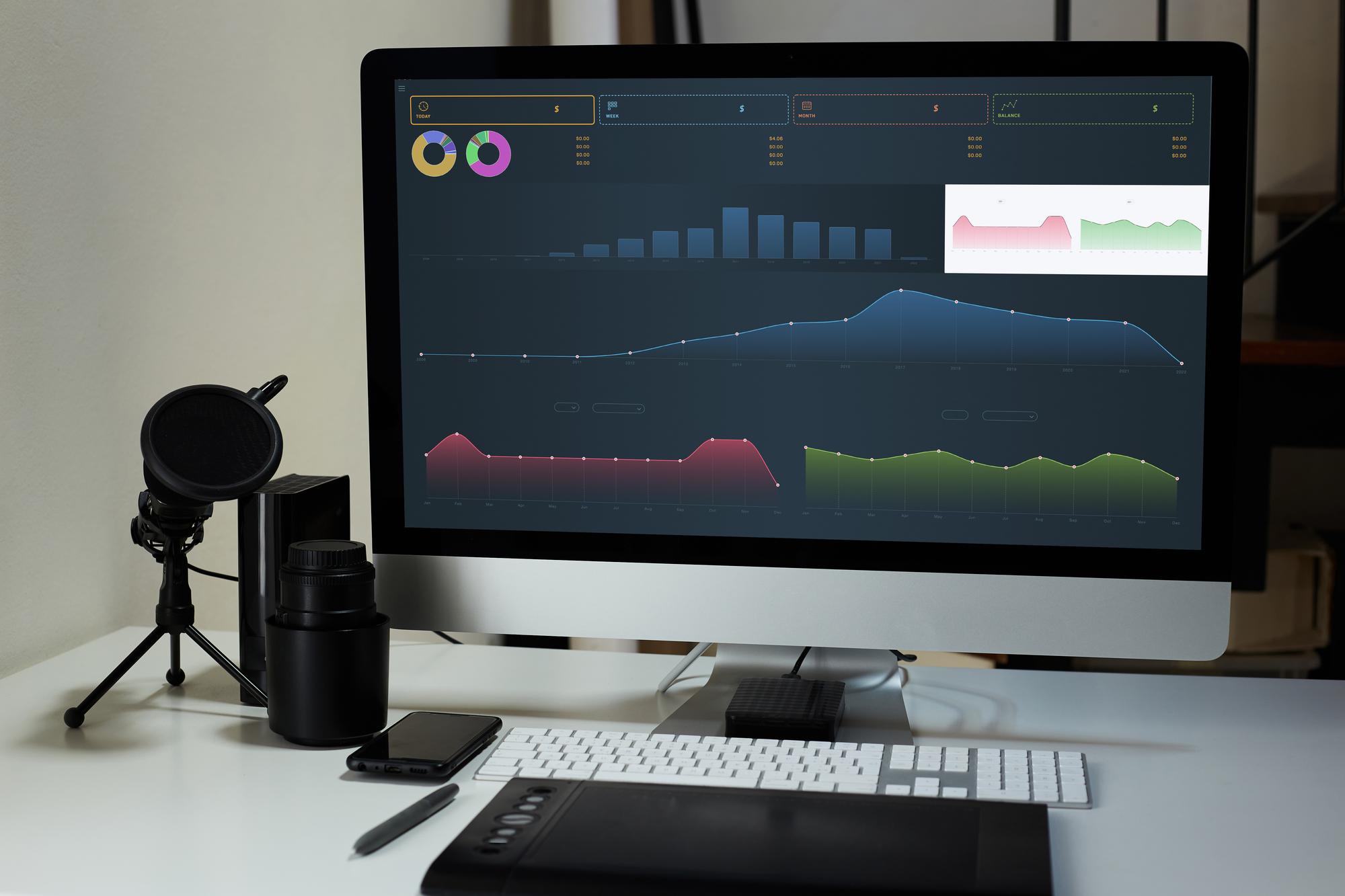
Power BI analytics delivers real-time insights that can transform business strategies. By visualizing data through dashboards, you gain immediate access to performance metrics. This capability is crucial for quick adjustments and informed decision-making. Businesses using Power BI have reported increased efficiencies and a better understanding of market trends. Such insights empower teams to act quickly, seizing opportunities and mitigating risks in real-time.
Streamlining Processes with Low-Code and RPA
Low-code platforms and RPA streamline processes by enabling automation without extensive coding. These tools allow businesses to create applications quickly, which can automate repetitive tasks. For instance, using Microsoft Power Apps, you can develop a custom app to handle specific operational needs, reducing development time dramatically. Companies employing these technologies often see reduced errors and increased productivity.
Industry-Specific Benefits and Case Studies

Different industries reap unique benefits from integrating these technologies. Examine how digital transformation applies across diverse sectors.
Government and Healthcare Digital Transformation
In government and healthcare, digital transformation enhances service delivery and care quality. By integrating ERP and CRM, these institutions streamline processes, leading to improved patient outcomes and service efficiency. For example, using Microsoft Dynamics in healthcare settings has been shown to optimize resource management and improve patient data accuracy.
Real Estate and Construction ERP CRM Solutions
For real estate and construction, ERP and CRM integration provides clear advantages by enabling better project tracking and client management. Businesses in this sector benefit from real-time data that aids in project planning and execution, reducing delays and cost overruns.
Energy and Manufacturing ERP Integration Success
In energy and manufacturing, integrating ERP systems boosts operational efficiency and resource management. By using unified platforms, companies can reduce waste and increase productivity. This integration means more precise supply chain management and improved production scheduling, resulting in significant cost savings.
Frequently Asked Questions
What is the ROI of integrating ERP and CRM systems?
Integrating ERP and CRM systems can lead to significant cost savings, increased productivity, and enhanced customer satisfaction. Businesses have reported a more than 20% boost in productivity due to reduced data duplication and streamlined processes.
How does unified data improve decision-making?
Unified data provides a single source of truth, ensuring that all departments access the same, up-to-date information. This consistency allows for quicker and more accurate decision-making, crucial for staying competitive.
What sectors benefit most from a unified business platform?
Sectors like healthcare, government, construction, real estate, and manufacturing benefit greatly. Each sees improvements in efficiency, reduced operational risks, and better compliance outcomes.
How do tools like Power BI and RPA streamline business operations?
Power BI offers real-time insights through dynamic dashboards, enabling quick decision-making. RPA automates repetitive tasks, freeing up human resources for strategic activities, thus boosting overall efficiency.
Why choose Singleclic for ERP, CRM, and analytics integration?
Singleclic partners with industry leaders like Microsoft Dynamics 365 and Odoo, providing bespoke solutions that go beyond simple digitalization. Their expertise ensures secure, scalable, and efficient digital transformations for various industries.