Most digital adoption strategies fail because leaders underestimate the complexity behind genuine transformation. For construction and healthcare organizations in Saudi Arabia and UAE, the difference between basic tech upgrades and true operational change is staggering. With nearly 60 percent of American enterprises reporting positive ROI only after a full ecosystem overhaul, the stakes are clear. This article gives business leaders insight to cut through common myths and approach digital adoption as a driver for measurable growth.
Table of Contents
- Defining Digital Adoption and Common Myths
- Types of Digital Adoption in Enterprise Settings
- Core Features and How Digital Adoption Works
- Key Benefits for Construction and Healthcare
- Challenges and Mistakes to Avoid in Adoption
- Essential Success Factors for Digital Transformation
Key Takeaways
| Point | Details |
|---|---|
| Digital Adoption Requires a Holistic Approach | Successful digital adoption goes beyond technology investment; it demands strategic alignment, workforce training, and cultural transformation. |
| Tailored Adoption Strategies are Essential | Organizations must develop digital adoption strategies that are customized to their specific industry, context, and objectives. |
| User Experience is Critical | Implementing a phased approach with emphasis on user training and support minimizes friction and enhances engagement during digital adoption. |
| Change Management is Key | Comprehensive change management strategies are necessary to address resistance and ensure successful digital transformation initiatives. |
Defining Digital Adoption and Common Myths
Digital adoption represents an organization’s comprehensive strategy for integrating digital technologies across operational functions, moving far beyond simple technology implementation. In Saudi Arabia and UAE, where digital transformation has become a critical national agenda, understanding this nuanced concept is paramount for business leaders seeking genuine operational optimization.
Contrary to popular belief, digital adoption is not merely about purchasing new software or adding digital tools. Comprehensive digital technology integration requires a holistic approach that encompasses technological infrastructure, workforce skill development, cultural transformation, and strategic alignment. Organizations must recognize that successful digital adoption demands more than technological investment – it requires a fundamental reimagining of business processes and organizational capabilities.
Several persistent myths often obstruct meaningful digital transformation. One common misconception is that digital adoption is uniform across industries or organizations. In reality, demand-side economic forces significantly influence technology adoption, with factors like infrastructure quality, workforce skills, pricing structures, and organizational readiness playing critical roles. These variations mean that digital adoption strategies must be meticulously tailored to an organization’s specific context, industry dynamics, and strategic objectives.
Pro tip: Develop a comprehensive digital adoption roadmap that considers your organization’s unique technological ecosystem, workforce capabilities, and strategic goals, rather than adopting a one-size-fits-all approach.
Types of Digital Adoption in Enterprise Settings
Digital adoption in enterprise settings represents a multifaceted strategic approach that transcends simple technological implementation. Organizations across Saudi Arabia and UAE are increasingly recognizing that digital technology integration strategies must align closely with specific business objectives and organizational capabilities.
Enterprise digital adoption typically manifests through several distinct types. First, process-driven adoption focuses on streamlining operational workflows through technologies like cloud computing, robotic process automation, and enterprise resource planning systems. Second, customer-centric adoption emphasizes digital tools that enhance customer experience, including AI-powered chatbots, personalized marketing platforms, and omnichannel engagement technologies. Third, infrastructure-based adoption concentrates on fundamental technological upgrades, such as modernizing network architectures, implementing cybersecurity solutions, and developing scalable digital infrastructure.
Strategic digital innovation frameworks reveal that successful digital adoption is not about implementing isolated technologies, but creating an interconnected digital ecosystem. Each adoption type requires careful consideration of workforce skills, organizational culture, and long-term strategic alignment. For instance, a construction firm in Dubai might prioritize infrastructure-based adoption to improve project management, while a healthcare provider in Riyadh might focus on customer-centric digital solutions to enhance patient experiences.
Here’s a summary comparing the main types of digital adoption strategies used in enterprise settings:
| Adoption Type | Key Focus Areas | Typical Technologies |
|---|---|---|
| Process-driven | Workflow efficiency | Cloud, automation, ERP systems |
| Customer-centric | Client engagement | AI chatbots, marketing platforms |
| Infrastructure-based | IT foundation | Cybersecurity, modern networks |
Pro tip: Conduct a comprehensive digital maturity assessment before selecting your digital adoption strategy, identifying your organization’s specific technological gaps and strategic priorities.
Core Features and How Digital Adoption Works
Digital adoption represents a sophisticated technological integration strategy that goes beyond mere software implementation. In Saudi Arabia and UAE’s rapidly evolving business landscape, understanding the core operational mechanisms of digital adoption becomes critical for organizations seeking transformative technological growth.

The core features of digital adoption platforms typically encompass several key components. Guided onboarding provides interactive, context-aware training that helps users navigate new technologies seamlessly. Real-time user assistance delivers immediate support through contextual tooltips, walkthroughs, and embedded help resources. Behavioral analytics track user interactions, identifying potential friction points and measuring technology utilization rates. These features work synergistically to reduce user resistance, accelerate learning curves, and ensure comprehensive technology integration across organizational ecosystems.
Digital adoption platform technologies operate through a systematic approach that transforms technological implementation from a transactional process to a strategic organizational capability. This involves multiple interconnected stages: initial technology assessment, customized implementation strategy, continuous user training, performance monitoring, and iterative improvement. For enterprises in construction, healthcare, and financial sectors across the Middle East, this means creating adaptive digital environments that evolve alongside organizational needs, ensuring that technological investments translate directly into operational efficiency and competitive advantage.
Pro tip: Implement a phased digital adoption approach that prioritizes user experience, providing comprehensive training and support to minimize technological friction and maximize employee engagement.
Key Benefits for Construction and Healthcare
Digital transformation has become a critical strategy for driving operational excellence in both construction and healthcare sectors across Saudi Arabia and UAE. Construction industry digital adoption benefits reveal significant improvements in project management, safety, and overall organizational efficiency.
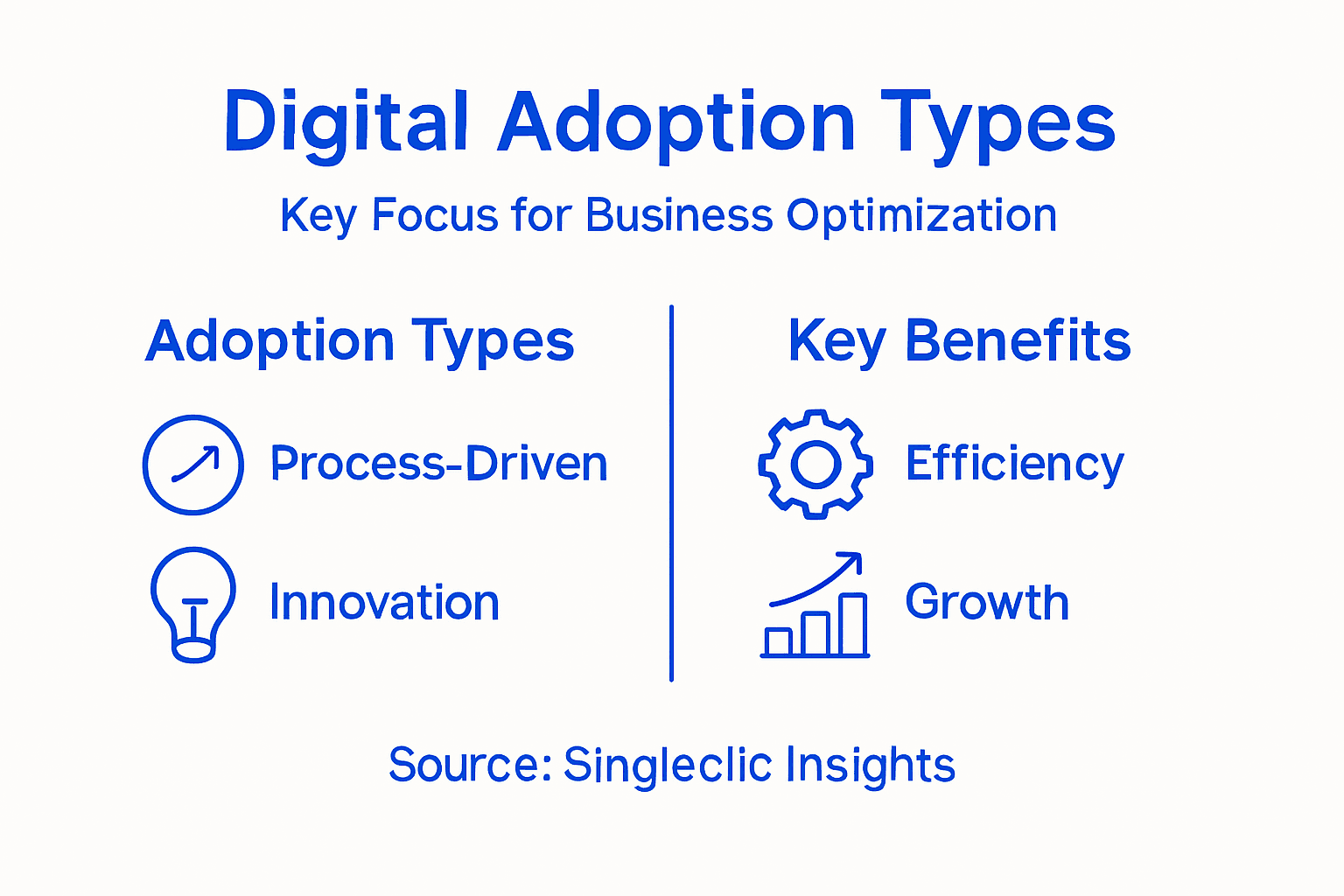
In the construction sector, digital adoption delivers multiple strategic advantages. Technological integration enables real-time project tracking, enhanced collaboration through Building Information Modeling (BIM), improved resource allocation, and unprecedented risk management capabilities. Advanced technologies like drone surveying, AI-powered predictive maintenance, and automated project management tools help construction firms reduce costs, minimize project delays, and enhance overall operational transparency. These digital solutions provide unprecedented insights into complex building processes, enabling more accurate budgeting and streamlined workflow management.
Healthcare digital transformation strategies similarly demonstrate transformative potential across patient care and administrative functions. Digital adoption in healthcare environments enables more personalized patient experiences, enhanced diagnostic accuracy, and more efficient medical record management. Advanced technologies such as telemedicine platforms, AI-driven diagnostic tools, and integrated electronic health records systems allow healthcare providers to deliver more responsive, data-driven patient care. For medical institutions in Saudi Arabia and UAE, these technological interventions translate into improved patient outcomes, reduced administrative overhead, and more strategic resource utilization.
Explore the unique business impacts of digital adoption in the construction and healthcare sectors:
| Sector | Key Business Impact | Transformation Example |
|---|---|---|
| Construction | Improved project management | Real-time tracking & BIM collaboration |
| Healthcare | Enhanced patient care | Telemedicine & AI diagnostics |
Pro tip: Develop a comprehensive digital adoption roadmap that includes continuous training, phased implementation, and regular technology performance assessments to maximize organizational transformation.
Challenges and Mistakes to Avoid in Adoption
Digital transformation initiatives in Saudi Arabia and UAE demand strategic precision, with potential pitfalls lurking at every technological implementation stage. Global digital technology adoption challenges reveal complex barriers that can derail even the most well-intentioned digital strategies.
Organizations frequently encounter several critical mistakes during digital adoption. First, many enterprises underestimate the importance of comprehensive change management, assuming technology implementation alone will drive transformation. This misconception leads to resistance, reduced user engagement, and ultimately, failed digital initiatives. Second, inadequate skills training creates significant adoption barriers. Technical teams might understand new technologies, but frontline workers often struggle with digital tools, resulting in low utilization rates and diminished return on technological investments. Third, organizations frequently neglect to align digital strategies with specific business objectives, implementing technologies without clear strategic purpose.
Technological and cultural challenges compound digital adoption difficulties. Infrastructure limitations, cybersecurity concerns, and insufficient digital literacy can create substantial roadblocks. In construction and healthcare sectors, these challenges are particularly pronounced. Legacy systems, complex regulatory environments, and deeply entrenched traditional work processes can significantly impede technological integration. Organizations must develop holistic approaches that address not just technological implementation, but also workforce readiness, cultural transformation, and continuous learning mechanisms.
Pro tip: Create a comprehensive digital readiness assessment that evaluates technological infrastructure, workforce skills, and organizational culture before initiating any digital transformation project.
Essential Success Factors for Digital Transformation
Digital transformation represents a comprehensive strategic approach that demands meticulous planning and execution across organizational ecosystems. In Saudi Arabia and UAE, enterprises are increasingly recognizing that successful digital adoption requires more than technological investment—it demands a holistic, strategic approach.
Critical success factors for digital transformation encompass several interconnected dimensions. Strategic leadership commitment emerges as a primary catalyst, requiring top management to actively champion technological change. This involves developing a clear digital vision, allocating appropriate resources, and creating an organizational culture that embraces continuous innovation. Organizations must cultivate data-driven decision-making capabilities, prioritize customer-centric approaches, and develop robust partnerships that facilitate technological integration.
Agile-based digital transformation frameworks highlight the critical importance of organizational readiness and team capabilities. Success depends on creating flexible technological infrastructures, developing comprehensive skills training programs, and establishing adaptive organizational environments. For enterprises in construction and healthcare sectors, this means developing multidisciplinary teams capable of bridging technological and operational requirements, implementing iterative development approaches, and maintaining a continuous learning mindset that can rapidly respond to emerging technological trends.
Pro tip: Develop a cross-functional digital transformation task force that includes representatives from technology, operations, and strategic planning to ensure comprehensive and aligned digital adoption efforts.
Unlock True Business Optimization with Tailored Digital Adoption Solutions
Digital adoption is more than just integrating new tools. This article highlights how successful transformation depends on a strategic, holistic approach that addresses workforce readiness, cultural change, and process alignment. Many organizations in Saudi Arabia and UAE face challenges like user resistance, skill gaps, and lack of a clear digital roadmap. These obstacles can hinder the powerful benefits of digital adoption such as improved project management, enhanced patient care, and accelerated operational efficiency.
Singleclic understands these complexities and specializes in driving impactful digital transformation that transcends mere digitalization. Our expertise in ERP & CRM Implementation, Business Process Automation, and Enterprise AI empowers organizations across construction, healthcare, banking, and government sectors to build adaptive digital ecosystems. With our low-code platform Cortex, you can achieve real-time process optimization and seamless workforce enablement tailored to your unique environment.
Take control of your digital future by partnering with Singleclic. Visit Singleclic to learn how our proven approach and regional expertise will help you overcome adoption pitfalls and accelerate your journey toward true business optimization. Start your transformation today and experience operational excellence that lasts.
Frequently Asked Questions
What is digital adoption?
Digital adoption is an organization’s strategic approach to integrating digital technologies into all operational functions, emphasizing not just technology implementation but also workforce skills, cultural transformation, and business process reimagining.
Why is digital adoption important for businesses?
Digital adoption is crucial as it enables organizations to optimize operations, enhance customer experiences, and drive overall efficiency, turning technological investments into tangible business results.
What are the common types of digital adoption strategies?
The main types of digital adoption strategies include process-driven adoption, which focuses on operational efficiencies; customer-centric adoption, enhancing client engagement; and infrastructure-based adoption, which upgrades core technological foundations.
What are the key challenges organizations face during digital adoption?
Organizations often face challenges such as inadequate change management, insufficient skills training, misalignment of digital strategies with business objectives, and cultural resistance, which can all impede successful digital transformation.
Recommended
- 7 Key Benefits of Digital Transformation for Business Leaders
- Unlocking Business Growth with Odoo CRM: 6 Key Benefits for CEOs and SMBs | Singleclic
- Why Digital Transformation Is No Longer Optional | Singleclic
- AI in Digital Transformation – Driving Business Value
- INUSUAL | Cómo impulsar equipos innovadores y transformar tu empresa